TL;DR
- Crema is the golden-brown foam on espresso—a diagnostic tool revealing bean age, grind, pressure, and technique.
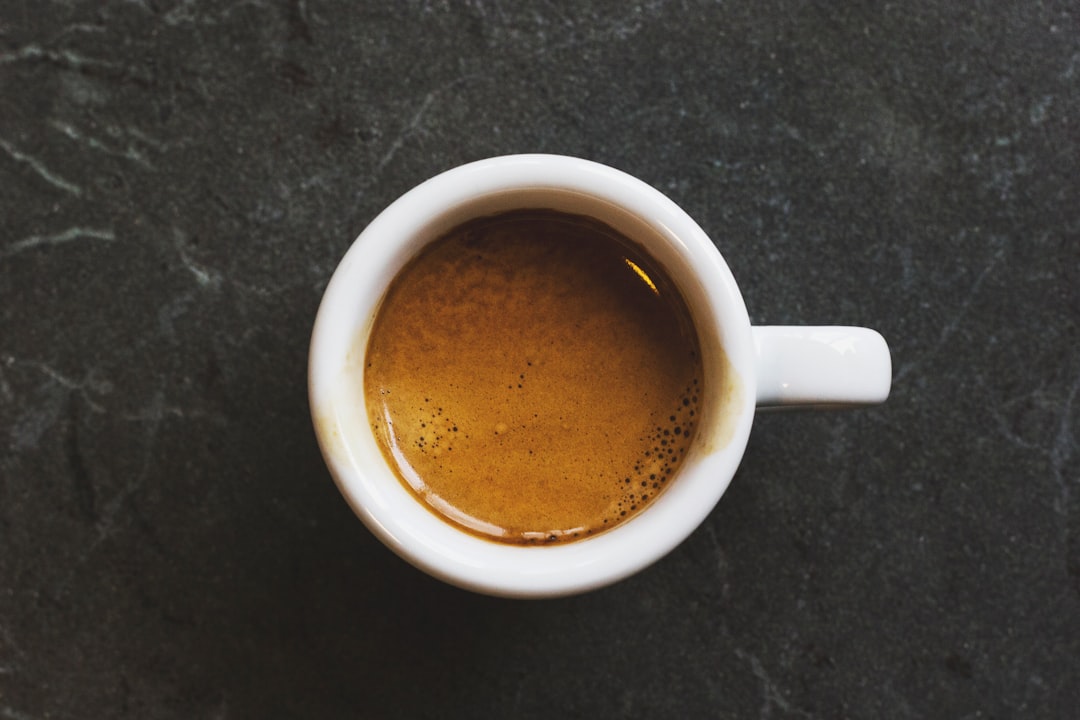
- Good crema is hazelnut-brown, ¼ inch thick, velvety, and holds shape for 60–90 seconds before thinning.
- CO2 trapped in roasted beans emulsifies with oils under 9+ bars of pressure—that's what creates crema.
Understanding Coffee Crema: What It Tells You About Your Espresso
Pull a shot of espresso and the first thing you notice is that gorgeous golden-brown foam sitting on top. That’s crema — and if you know what to look for, it’s practically reading you a report on your coffee.
Crema isn’t just decorative. It carries information about your bean freshness, your grind consistency, your machine pressure, and your extraction technique. Once you learn to interpret it, that thin layer becomes one of the most useful diagnostic tools in your home-barista toolkit.
What Exactly Is Coffee Crema?
Crema is the reddish-brown foam layer that forms on the surface of a freshly pulled espresso shot. It’s created when high-pressure water forces through finely ground coffee, causing CO2 gas trapped inside the beans to rapidly emulsify with oils and fine coffee particles.
The result is a stable, velvety foam that sits above the liquid espresso — typically lasting 2–3 minutes before slowly breaking down and merging back into the shot.
Here’s the key thing to understand: crema is only possible with espresso-style brewing. The high pressure (9 bars or more) is what forces that CO2 out of solution and creates the emulsification. You won’t see true crema from a French press or pour-over — and that’s actually a useful clue when troubleshooting your setup.
The Science Behind Crema Formation
When coffee is roasted, chemical reactions produce CO2 gas that becomes trapped inside the bean structure. After roasting, beans slowly off-gas this CO2 over days and weeks.
When you brew espresso, water heated to roughly 90–96°C is pushed through finely ground coffee at 9+ bars of pressure. That pressure forces the remaining CO2 out of the coffee grounds almost instantly, and it becomes trapped in tiny bubbles surrounded by coffee oils and solids. This is the emulsification process — oil droplets and gas bubbles blending into that characteristic foam.
Think of it like shaking a carbonated drink. The pressure does the work, and when that pressure releases, the gas wants to escape. Crema is essentially that escape caught mid-flight.
The key variables in this process:
– Pressure: Too low and CO2 won’t fully release
– Grind size: Too coarse and water passes through without proper emulsification
– Bean age: Older beans have already off-gassed most of their CO2
– Bean origin and roast: These affect oil content and CO2 levels
What Good Crema Actually Looks Like
Not all crema is equal. Here’s what you’re aiming for on a standard espresso shot:
- Thickness: A good crema layer sits about ¼ inch (5–6mm) deep on a 30ml shot
- Color: Hazelnut to caramel-brown, often with subtle reddish-gold tones
- Texture: Dense, velvety, and consistent — not large bubbles or patchy foam
- Longevity: It should hold its shape for at least 60–90 seconds before starting to thin out
- Pattern: A slight “tiger striping” of lighter and darker tones is actually a good sign of even extraction
If your crema checks most of those boxes, you’re on the right track. But here’s the honest part: beautiful crema doesn’t automatically mean great-tasting espresso. It’s a signal, not a guarantee.
Why Thin or Missing Crema Happens
This is where crema becomes genuinely useful for troubleshooting. When crema is thin, pale, or barely there, it’s usually pointing to one of these issues:
Stale beans
This is the most common culprit. Beans that have been sitting around for more than 4–6 weeks have already off-gassed most of their CO2. No CO2 means no crema, no matter how good your technique is. If you crack open a bag and the beans smell flat or cardboard-like, you’ve already lost the crema battle.
Under-extraction
If your grind is too coarse, water rushes through the puck too quickly. There isn’t enough contact time for proper CO2 release and emulsification. You’ll see a thin, pale crema that disappears fast — and the shot will taste sour or weak.
Machine pressure problems
Espresso machines need to deliver consistent 9–10 bars of pressure. If your machine is underperforming — common in cheaper or aging models — the extraction won’t generate enough force to properly build crema.
Inconsistent tamping
Uneven tamping creates channeling, where water finds the path of least resistance rather than passing evenly through all the grounds. The result is patchy, uneven crema.
Robusta vs. arabica
It’s worth knowing that robusta beans naturally produce more crema than arabica. Robusta has higher oil content and more CO2 potential per gram. Some espresso blends specifically include a small percentage of robusta just to boost crema production. If you’re pulling 100% arabica and wondering why your crema is thinner than a café shot, this could be part of the explanation.
Crema and Extraction Quality: Reading the Color
Crema color is a surprisingly reliable indicator of extraction balance:
| Crema Appearance | What It Suggests |
|---|---|
| Pale or white-ish foam | Under-extraction — try finer grind or longer extraction time |
| Hazelnut / caramel brown | Well-balanced extraction — ideal target |
| Very dark brown or black patches | Over-extraction or burnt grounds — try coarser grind or lower temp |
| Large bubbles, unstable foam | Stale beans or channeling in the puck |
| Thick but bitter-tasting shot | CO2 present, but other extraction parameters are off |
One thing crema does well: it traps volatile aromatic compounds above the shot. That’s why espresso smells so intensely good when it’s fresh — the crema is holding those aromatics in place. When the crema breaks down, some of that aroma dissipates with it, which is why drinking your shot promptly makes a real sensory difference.
Crema as a Bean Freshness Indicator
If you want a practical, visual freshness test for your espresso beans, crema is it.
Beans roasted within 5–14 days will produce abundant, stable crema. In fact, beans that are too fresh (roasted within the last 48–72 hours) can actually produce too much crema — an unstable, overly gassy foam that interferes with extraction. Most specialty roasters recommend a 5–10 day rest after roast date before pulling shots.
Beans 2–4 weeks post-roast are typically in the sweet spot for espresso: enough CO2 for good crema, enough degassing for stable extraction.
Beans older than 4–6 weeks start showing visibly thinner, shorter-lived crema. By 2–3 months past roast, you’ll be lucky to see much crema at all, regardless of technique.
A note on vacuum-sealed and pre-degassed beans: Some commercial beans are packaged in nitrogen-flushed or vacuum-sealed bags after intentional degassing. These beans can produce excellent-tasting espresso but often generate less crema than freshly roasted counterparts. If you’re buying pre-ground espresso in a vacuum brick, low crema is expected and isn’t a sign of poor technique on your part.
Practical Tips for Better Crema at Home
Once you understand what crema is signaling, improving it becomes more systematic. Here’s what actually moves the needle:
Source fresher beans
Buy directly from a local roaster or a specialty online roaster who prints the roast date on the bag (not just a “best by” date). Aim to use beans within 2–4 weeks of the roast date. Whole beans retain CO2 far longer than pre-ground coffee.
Store them properly
Keep beans in an airtight container, away from light and heat. The refrigerator introduces moisture — room temperature in an opaque, sealed container is generally better for beans you’ll use within a few weeks.
Dial in your grind
For espresso, you want a fine, consistent grind — but not so fine that it compacts into a paste. A good burr grinder makes a significant difference here. Baratza Encore ESP Espresso Grinder Consistency matters more than fineness alone.
Pull shots immediately after grinding
Pre-grinding even 30 minutes ahead causes CO2 to escape from the grounds before brewing. Grind directly into the portafilter and pull your shot promptly.
Check and maintain your machine
Ensure your espresso machine is delivering consistent pressure (9–10 bars) and maintaining temperature in the 90–96°C range. Descale regularly — mineral buildup affects both temperature stability and pressure delivery.
Tamp evenly
Apply firm, level pressure when tamping — around 15–20kg of force on a standard 58mm basket. An inconsistent tamp is one of the easiest things to fix and one of the most common sources of channeling.
Crema as a Brewing Feedback Loop
Here’s the home-barista mindset shift worth making: stop treating crema as the goal, and start treating it as feedback.
A shot with beautiful crema but poor flavor is telling you: I have fresh beans and good pressure, but something else is off — probably grind size or water temperature.
A shot with thin crema but decent flavor is telling you: My beans are getting old, or I’m using pre-degassed coffee — but my extraction technique is solid.
Use crema as one data point in a three-part check: look at the crema, smell the shot, then taste it. All three together give you the full picture. Over time, you’ll develop a quick-read instinct for what each crema appearance means for your specific setup.
The goal is consistency: same beans, same grind, same pressure, same tamp — and you should see similar crema each time. When something changes unexpectedly in your crema, it’s a prompt to investigate. Usually it’s just a sign that the bean bag is running low and the last few scoops are older and more degassed than the top of the bag.
The Bottom Line
Crema is one of the most honest signals your espresso gives you. It won’t lie — if the beans are stale, the grind is off, or the pressure is inconsistent, the crema will show it.
But it’s also just one signal. Pair it with your nose and palate, and you’ll troubleshoot faster and dial in better shots with far less guesswork.
The more you pay attention to it, the more your crema starts to feel less like a mystery and more like a conversation between you and your machine.
Photo by Matt Hoffman on Unsplash