TL;DR
- Oat milk froths like dairy milk and steams perfectly for latte art—a game-changer for baristas.
- Its natural sweetness complements espresso without overpowering the flavor across roast levels.
- Plant-based diet trends (2017–2019) plus Instagram's visual appeal accelerated mainstream adoption.
The Rise of Oat Milk Lattes and Why It Happened
Walk into almost any coffee shop today — from a tiny independent roaster to a major chain — and oat milk will be front and center on the menu. It often costs extra, and people pay it without blinking.
That’s a remarkable shift. Just ten years ago, oat milk was a niche product that most coffee drinkers had never heard of. So how did it go from specialty-store oddity to the default plant-based pick for latte lovers worldwide?
The answer involves barista culture, social media, sustainability concerns, and a few well-timed brand moves. Here’s the full story.
Why Oat Milk Became the Barista’s Go-To Choice
Before oat milk, non-dairy options at coffee shops were frustrating. Almond milk split in hot espresso. Soy milk curdled easily. Rice milk was watery. None of them steamed well enough to produce proper latte art.
Oat milk changed the game — almost immediately.
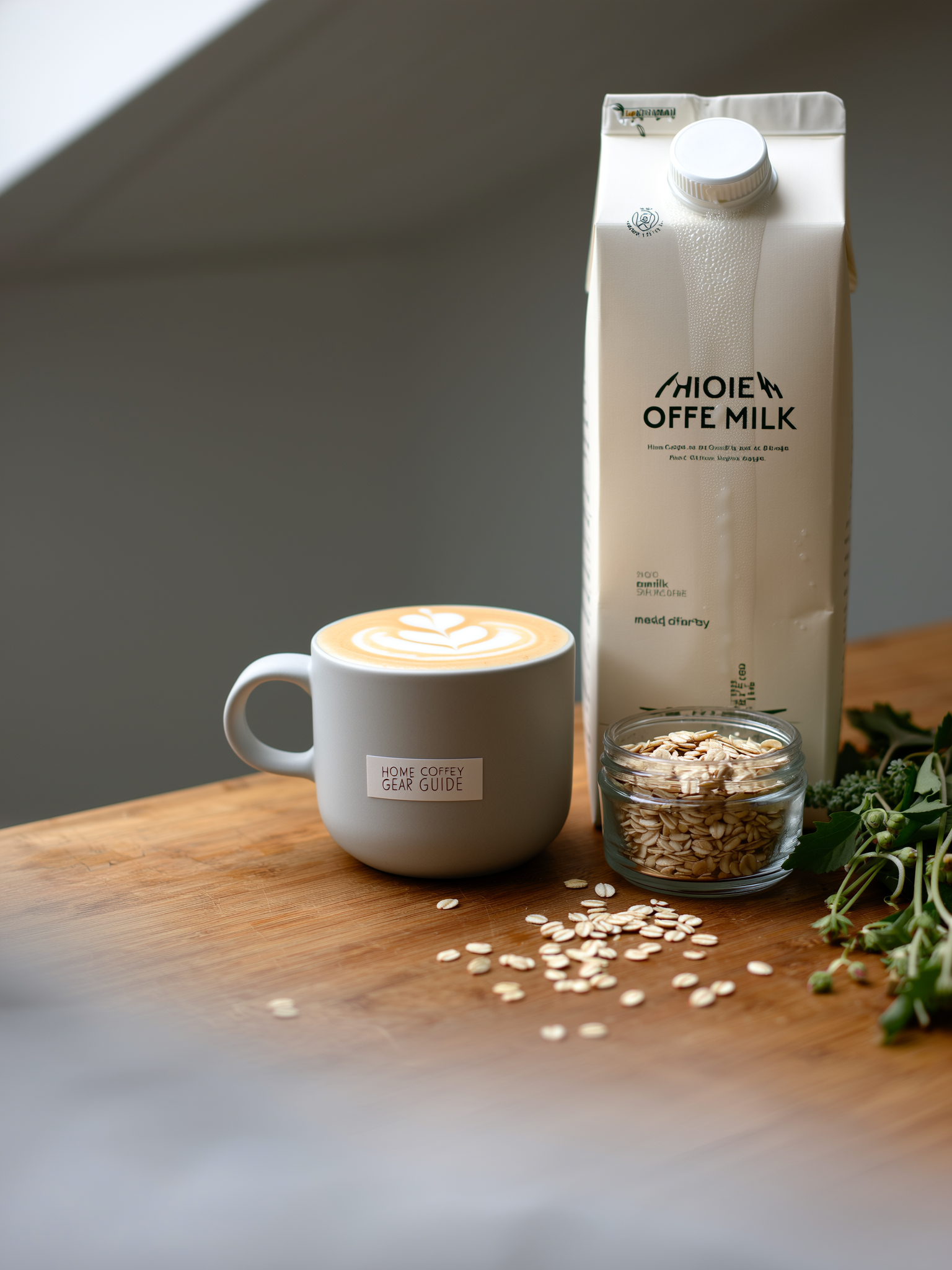
It froths like dairy milk without the fuss. The beta-glucans (natural soluble fibers) in oats create a texture that behaves remarkably like whole milk when steamed. You get that glossy, microfoam consistency essential for flat whites and lattes. For home baristas learning to steam milk, that consistency matters. There’s a much narrower margin for error compared to other alternatives.
It has a natural sweetness that plays well with espresso. Oat milk doesn’t fight the coffee — it softens it. That gentle sweetness fills in the bitter edges of espresso without masking the flavor completely, which is why it works across a wide range of roast levels. Beginners who found black coffee too harsh could suddenly enjoy a latte that felt approachable.
And it photographs beautifully. That last point shouldn’t be underestimated. Oat milk produces a warm, creamy color that makes latte art pop on camera. The Instagram factor was very real in oat milk’s rise, and we’ll get to that shortly.
The Health Trend That Started It All
Around 2017 to 2019, something shifted in how mainstream consumers thought about food. Plant-based diets stopped being the domain of dedicated vegans and started showing up in everyday conversations — at offices, in family kitchens, and across social media feeds.
Dairy, in particular, came under scrutiny. People were cutting it for various reasons: lactose intolerance, ethical concerns about the dairy industry, or simply an interest in eating lighter. The demand for alternatives followed naturally.
Oat milk arrived at exactly the right moment. It was marketed as:
- Lower in saturated fat than dairy milk
- Free from common allergens like soy and nuts
- Naturally free of lactose, making it accessible to a significant portion of the global population
To be clear — we’re not making specific health claims here, and oat milk is still a processed product with added ingredients in most commercial versions. But the perception of it as a healthier, more inclusive option gave it enormous momentum in the market.
The normalization of lactose intolerance and vegan lifestyles also removed a layer of social awkwardness that used to come with ordering non-dairy. Asking for oat milk stopped feeling like a high-maintenance request. It became unremarkable — which is exactly when mass adoption accelerates.
How Coffee Culture Drove Mass Adoption
The specialty coffee world was ahead of the curve on this one.
Third-wave coffee shops — the kind that treat single-origin beans with the same reverence as fine wine — started offering oat milk as a premium option in the mid-2010s. This wasn’t just about accommodating dietary preferences. It was a signal of quality and intentionality. If a serious café was using it, it must be worth trying.
Baristas began developing proper steaming techniques specific to oat milk: how hot to steam it (slightly cooler than dairy), how to avoid over-aerating, how to pour consistently for latte art. Oat milk became a skill differentiator — part of what separated a great barista from a mediocre one.
Then social media did what social media does.
Instagram and TikTok turned oat milk lattes into a visual category of their own. Coffee influencers — and regular people who just loved their morning cup — started posting their oat milk lattes constantly. The creamy pour, the leaf art on top, the warm tones of oat-and-espresso. The aesthetic was distinct and shareable.
When enough people see something in their feed every day, curiosity becomes craving. Demand snowballed faster than supply chains could initially keep up with.
The Environmental and Ethical Angle
Taste and aesthetics brought people to oat milk. For many, sustainability kept them there.
The environmental impact of oat milk compared to dairy farming resonated strongly with younger consumers. Oat crops generally require significantly less water than dairy production, and they tend to produce lower greenhouse gas emissions per liter of milk produced.
Almond milk, which had been the dominant alternative before oat milk’s rise, faced growing criticism. Almond farming is heavily concentrated in California, a drought-prone region, and the water demands raised legitimate concerns. Oat milk stepped in as a more geographically diverse and water-efficient option.
None of this is to say oat milk is perfect from an environmental standpoint — all food production has an impact. But the relative sustainability messaging resonated with a demographic actively looking for ways to align daily habits with their values.
For coffee shops catering to a younger, values-conscious crowd, putting oat milk on the menu became part of a broader brand statement. It said: we think about these things, and so do you.
Major Brands and the Commercial Turning Point
Organic cultural shifts matter, but commercial decisions create tipping points.
Oatly deserves enormous credit for making oat milk unavoidable. The Swedish brand had been around since the 1990s, but its aggressive expansion into the US and global café markets between 2015 and 2020 was a masterclass in product positioning. Oatly didn’t just sell oat milk — it sold a personality. Their packaging was conversational, slightly irreverent, and self-aware in a way that felt fresh in the beverage industry.
They targeted specialty coffee shops specifically with their “barista edition” formula, which was engineered to steam and froth better than their standard product. Getting placed in respected independent cafés first built credibility before the mass-market push.
Oatly Barista Edition Oat Milk
Then came the institutional validation.
When Starbucks added oat milk as a standard menu option in 2021, it signaled to the mainstream consumer that this was no longer a niche trend. Starbucks menu additions are watched by the entire food and beverage industry — what appears there effectively becomes normalized for tens of millions of customers who may never have tried it otherwise.
Independent roasters and smaller café chains followed. At that point, oat milk wasn’t a novelty anymore. It was expected.
How Oat Milk Compares at Home
If you’ve been buying oat milk lattes at a café and wondering whether to make them at home, the good news is: oat milk is genuinely one of the easier alternatives to work with.
Here’s how it stacks up against other options for home brewing:
Vs. almond milk: Almond milk splits more easily in hot espresso, especially if the espresso is very acidic. Oat milk is more forgiving and holds together better at higher temperatures.
Vs. coconut milk: Coconut milk has a strong flavor that can dominate your coffee. It works for certain drinks (a coconut cold brew can be excellent), but it’s not as versatile as oat milk.
Vs. soy milk: Soy milk steams reasonably well but is more protein-sensitive — it can curdle if your espresso is very acidic. Oat milk tends to be more stable.
For pairing with different roasts:
- Medium and dark roasts work beautifully with oat milk’s natural sweetness
- Light roasts can sometimes clash with oat milk’s flavor — the acidity and bright fruit notes can taste off-balance. A small amount of added sweetener often helps here.
On cost: A carton of oat milk from a grocery store costs a fraction of what you’d pay for a daily café oat milk latte. If you have a home espresso machine or even a simple Moka pot and a handheld milk frother, you can produce a satisfying oat milk latte for well under a dollar per cup.
It’s one of the better quality-of-life upgrades for home baristas who want café-style drinks without the daily expense.
Where Oat Milk Goes From Here
Oat milk lattes are now firmly established — not a fad, not a novelty, but a permanent fixture in coffee culture. By most measures, oat milk is currently the second most popular alternative milk choice globally, trailing only almond milk, and in many specialty coffee markets it has already overtaken it.
What’s coming next?
Hybrid blends are gaining traction. Brands are experimenting with oat-barley combinations, oat-coconut mixes, and other formulations designed to improve specific aspects of texture and flavor. The barista-edition category is getting more competitive, with multiple brands now engineering their products specifically for steaming performance.
Sustainability innovation in oat farming could further cement oat milk’s position. As climate pressures on agriculture intensify, crops that can be grown with lower water input in a variety of climates will have a structural advantage.
On a cultural level, the home barista movement — which has grown substantially since 2020 — is keeping oat milk demand strong. More people making specialty coffee at home means more people experimenting with alternatives, and oat milk consistently comes out as the most reliable and accessible option.
The Bottom Line
The oat milk latte didn’t rise by accident. It rose because it genuinely works — it froths well, it tastes good, it photographs beautifully, and it arrived at a moment when both coffee culture and consumer values were ready for it.
Every element aligned: the texture that baristas needed, the health narrative that consumers wanted, the sustainability story that resonated with younger demographics, and the commercial muscle of a brand like Oatly to push it into mainstream consciousness.
If you haven’t experimented with oat milk at home yet, it’s worth trying. It’s forgiving, versatile, and honestly? It makes a pretty great morning cup.