TL;DR
- Home espresso machine sales have climbed sharply since 2020 and remain elevated.
- Third-wave coffee culture normalized specialty brewing at home with affordable entry-level gear.
- Remote work and pandemic habits have made home espresso rituals a sustainable lifestyle choice.
Why Home Espresso Machines Are Having a Moment
If you’ve scrolled through Instagram lately, you’ve probably noticed something: kitchens are starting to look like cafes.
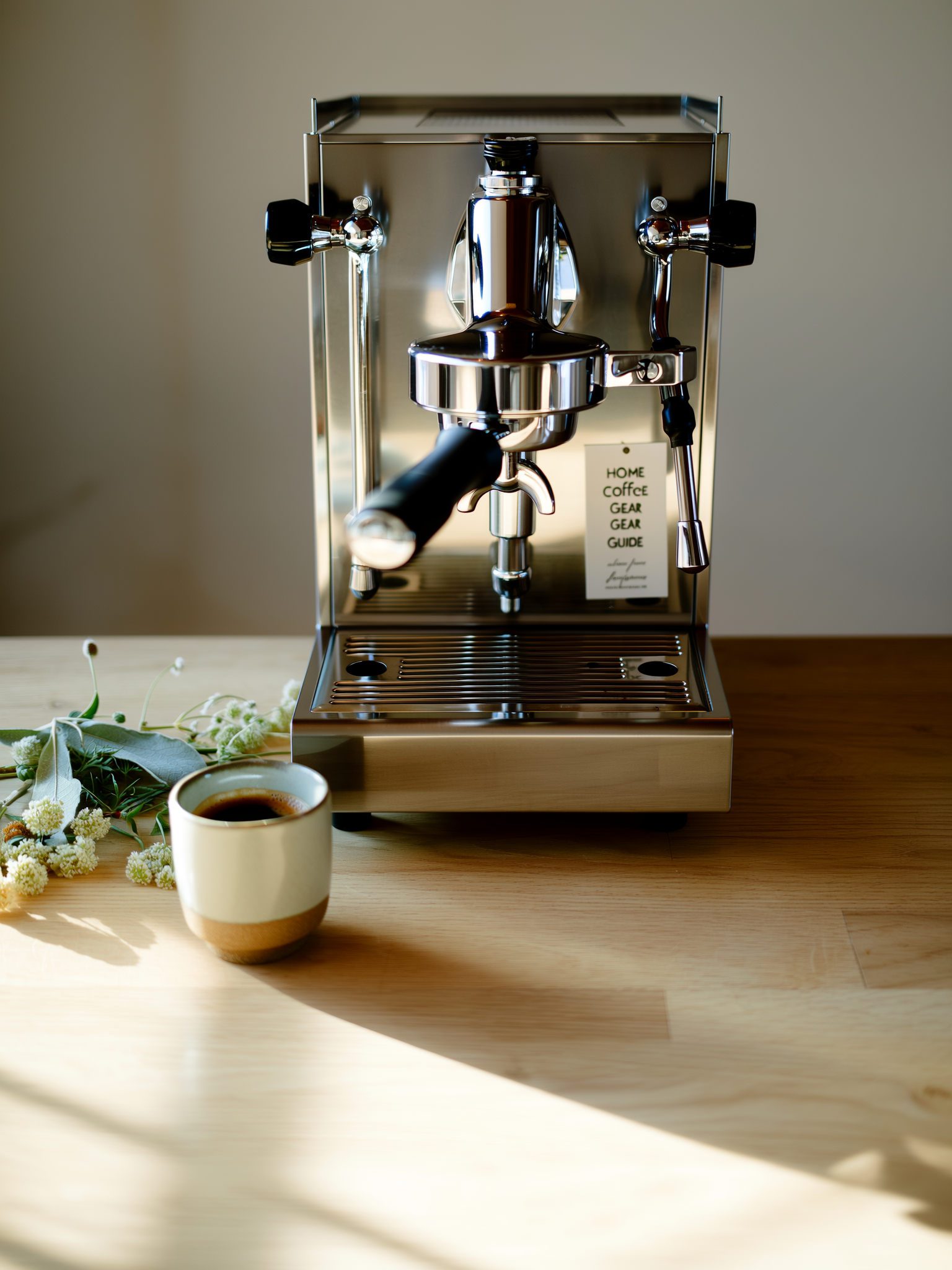
Sleek espresso machines on marble countertops. Perfectly pulled shots. Latte art photographed from above with careful morning light. This isn’t just an aesthetic trend — it reflects a real, measurable shift in how people think about coffee at home.
Home espresso machine sales climbed sharply after 2020, and they haven’t really come back down. More people than ever are investing in proper espresso setups, learning to dial in their grind, and treating their morning coffee ritual as something genuinely worth doing well.
So what’s driving this? And is it here to stay? Let’s dig in.
The Third Wave Came Home
Specialty coffee — the kind with single-origin beans, precise brew ratios, and tasting notes that sound like a wine menu — used to live almost entirely in cafes. The equipment was expensive. The knowledge was gatekept. If you wanted a truly great espresso, you went out to get one.
That started changing as third-wave coffee culture matured. Cafes normalized the idea that coffee is worth caring about, and curious home brewers started asking: why can’t I do this myself?
The answer, increasingly, is that you can.
Entry-level machines in the $200–$500 range have improved dramatically. Brands that once catered only to commercial buyers started releasing home-friendly versions. And as the home-barista community grew, so did the knowledge sharing — tutorials, YouTube channels, Reddit threads, and Instagram accounts dedicated entirely to helping beginners get their first espresso right.
Espresso-making has become a hobby in the truest sense. People aren’t just making coffee. They’re learning a skill, experimenting with variables, and taking quiet satisfaction in a well-pulled shot before the rest of the house wakes up.
Why the Timing Makes Sense
It would be easy to chalk this up to a pandemic quirk — a hobby people picked up during lockdowns and then dropped when life returned to normal. But that’s not quite what happened.
Yes, COVID-era lockdowns were a catalyst. Cafes closed, commutes disappeared, and suddenly people had both the time and the motivation to invest in home hobbies. For many, that included coffee. An espresso machine became a project — something to learn, tinker with, and improve over months.
But the habit stuck.
Remote and hybrid work arrangements have remained more common than anyone expected in 2019. When you’re working from home three or four days a week, the math changes. A $400 espresso machine can pay for itself relatively quickly when it replaces several café visits each week — and you start to enjoy the ritual of making something yourself.
There’s also a lifestyle angle that’s easy to overlook. For many people, the morning espresso routine has become part of how they structure their day. It’s a small, intentional act that signals the start of focused time. That’s not a quirky habit — it’s a genuinely useful mental anchor, especially when your commute is ten steps to a home office.
Options for Every Budget and Skill Level
One of the biggest reasons this trend has legs is that the barrier to entry keeps dropping.
Entry-level machines ($100–$300) have gotten surprisingly capable. You won’t get café-quality consistency, but you can absolutely make an enjoyable espresso. These machines are great for beginners who want to explore the hobby before committing to something more serious. Think of them as your first skateboard — functional, affordable, and enough to figure out whether you actually like this.
Mid-range machines ($400–$1,000) are where most serious home baristas end up settling. This range offers real temperature stability, better pressure control, and steam wands that can actually texture milk properly. The learning curve is steeper, but the ceiling is much higher. Machines like the Breville Barista Express Breville Barista Express sit in this range and remain perennial favorites because they bundle a grinder and machine together — which simplifies both the setup and the learning process.
Premium machines ($1,000 and up) are for enthusiasts who’ve caught the bug and want to go deep. These machines offer the kind of precision and build quality that professional setups use. If you find yourself reading about pressure profiling and pre-infusion on your lunch break, this range is probably in your future.
The key point: you don’t need to start at the top. Most people who love home espresso today started with something modest and upgraded as their skills and interest grew.
The Social Media Effect Is Real
It would be dishonest to talk about the home espresso moment without acknowledging how much social media has shaped it.
Instagram made espresso setups aspirational. A well-lit photo of a clean countertop, a matte-black machine, and a perfectly poured cortado quietly communicates something about taste and intention. People saw those images and wanted that version of their morning.
TikTok accelerated it further. Short videos of espresso pulls — the crema forming, the cup filling, the steam rising — perform incredibly well because they’re satisfying to watch. They’re also genuinely educational. Creators show their process, explain their variables, and make the whole thing look approachable rather than intimidating.
The #homebarista hashtag has millions of posts and videos across platforms. It’s a real community — people sharing their setups, asking for advice, posting their first successful latte art with visible pride.
And then there’s Reddit. The r/espresso community is one of the more genuinely helpful corners of the internet. Beginners post questions without judgment. Experienced home baristas share detailed troubleshooting advice. New gear gets reviewed honestly and quickly. If you’re considering a machine purchase and want real-world feedback from people who actually own it, r/espresso is the place to spend an hour.
This combination of aspirational imagery and practical community support has created a feedback loop. More people get interested, more content gets created, more beginners feel confident enough to start — and the community grows.
Common Misconceptions Worth Clearing Up
If you’re on the fence about getting into home espresso, a couple of myths might be holding you back.
“You need an expensive machine to make good espresso.”
This one contains a kernel of truth but overstates the case. A very cheap machine with poorly calibrated pressure and no temperature stability will limit your results regardless of your skill. But once you’re above the entry-level threshold — even in the $200–$300 range — technique matters more than the machine.
Grind size, dose, distribution, and tamping pressure are the variables that most affect your shot quality. A skilled home barista on a mid-range machine will consistently outperform someone with an expensive machine who hasn’t learned the fundamentals. Invest in learning the process, and the gear will follow naturally.
“Espresso machines are too complicated for beginners.”
Modern machines are far more forgiving than they used to be. Many have guided interfaces, programmable shot volumes, and built-in pressure gauges that help beginners understand what’s happening. The learning curve is real — your first few weeks of pulls will probably be uneven — but it’s not steep in the way people fear.
The home-barista community has also made learning dramatically easier. There are detailed guides, video walkthroughs, and active communities ready to answer beginner questions without condescension. You don’t have to figure it out alone.
What This Trend Tells Us About How People Want to Live
Zoom out for a moment, and the home espresso trend fits into something larger.
People are paying more attention to their daily routines — not as productivity optimization, but as a way to introduce small moments of craft and intention into ordinary days. Sourdough baking, home cocktail-making, pour-over coffee, and espresso all belong to the same cultural impulse: the idea that making something well, with your hands and some accumulated skill, is genuinely satisfying.
Espresso is a good fit for that impulse because the feedback loop is quick. You pull a shot, taste it, adjust a variable, pull another. Over time, you develop a feel for it. Progress is tangible and visible.
That’s a meaningful experience to build into a morning, especially when so much knowledge work is abstract and hard to measure day-to-day.
Starting Your Home Espresso Journey
The home espresso moment is real, and it doesn’t look like a passing trend. The combination of better affordable machines, a strong online community, and a genuine cultural shift toward intentional home routines suggests this is the new normal — not a pandemic blip.
If you’ve been curious but haven’t jumped in yet, the timing is actually excellent. There’s more good gear at accessible prices than ever before, and the community resources for getting started are genuinely outstanding.
Your first machine probably won’t be your last. That’s not a problem — it’s how most home baristas describe their journey. You start somewhere, you learn, your taste develops, and your setup evolves with it.
The shot you pull this morning doesn’t need to be perfect. It just needs to be yours.
Looking to compare specific machines before you buy? Check out our gear guides for recommendations across every budget range — from beginner-friendly setups to serious enthusiast machines.