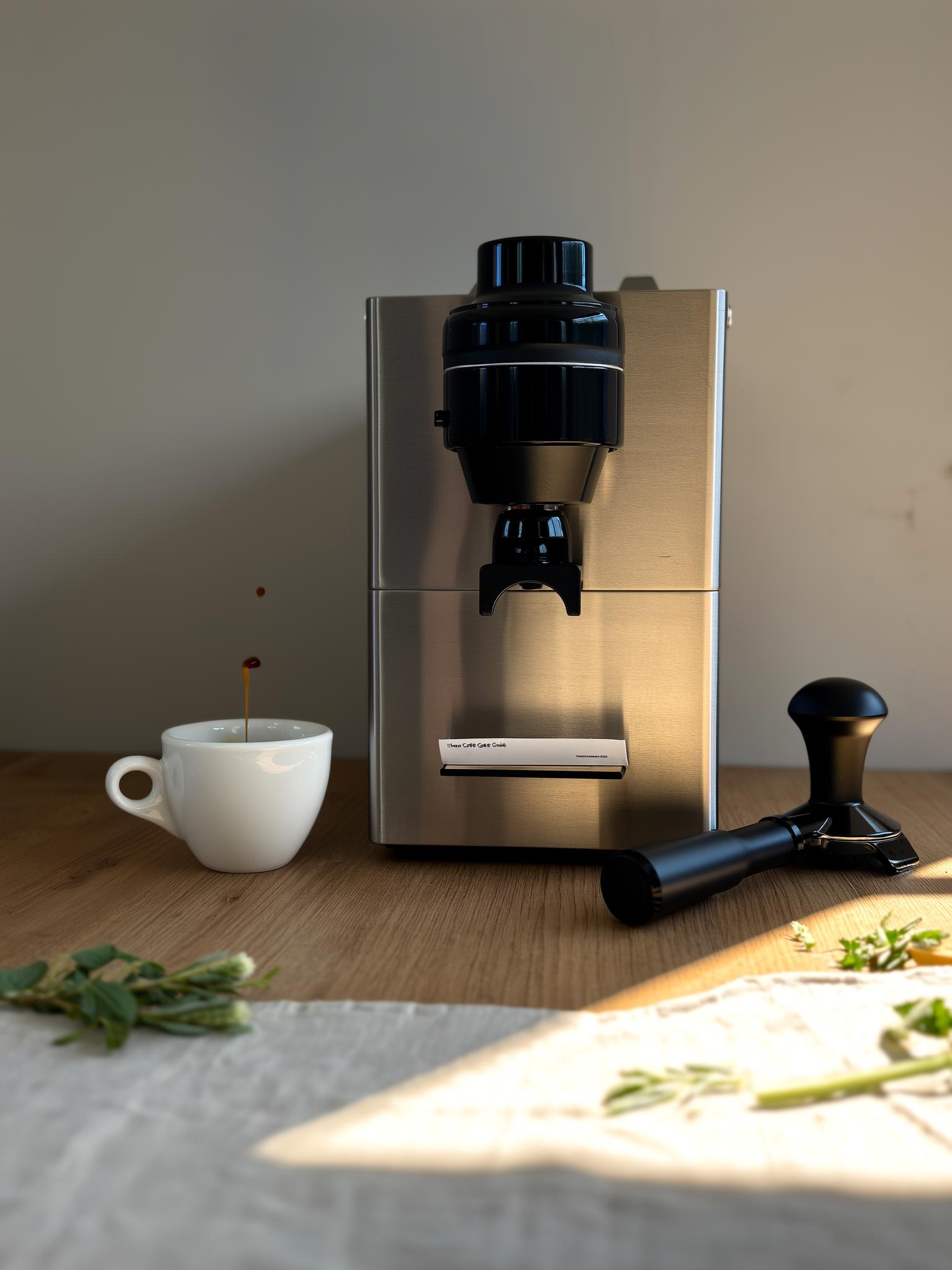
TL;DR
- Casabrews excels at milk frothing and compact design; better for cappuccinos and lattes.
- De'Longhi Stilosa prioritizes consistency and durability; ideal for black espresso shots.
- Both machines make real trade-offs at sub-$150—choose based on brewing style, not price alone.
Casabrews vs. De’Longhi Stilosa: Which Under-$150 Espresso Machine Is Actually Worth Buying?
You’ve got $120–$150 to spend on your first real espresso machine, and you’ve narrowed it down to two names that keep appearing in every budget roundup: Casabrews and De’Longhi Stilosa. The question isn’t which one looks better in a YouTube thumbnail — it’s which one will still be pulling decent shots six months from now without making you regret the purchase.
Here’s the honest answer: both machines have real strengths, and the “right” one depends almost entirely on how you want to brew, not just how much you want to spend.
Let’s break it down properly.
Why the Sub-$150 Price Point Actually Matters Right Now
A decade ago, getting a pump-driven espresso machine under $300 was tough. Entry-level pump espresso machines have shifted upward due to inflation and manufacturing costs — which makes the current sub-$150 window genuinely interesting. You’re now getting machines at this price point that would have occupied a higher tier just a few years ago.
That doesn’t mean every budget machine is worth your money. It means the best ones at this price have gotten better — and the gap between a smart pick and a disappointing one matters more than ever.
The common mistake beginners make is assuming “budget espresso = bad espresso.” That’s not the full picture. Budget machines make trade-offs in specific areas: build quality on accessories, consistency under varying conditions, and long-term durability. Once you know which trade-offs each machine makes, you can match it to your actual brewing habits.
Casabrews Espresso Machine: Hands-On Control, Compact Footprint
The case for Casabrews starts with its steam wand.
For a machine in this price bracket, the Casabrews heats up fast and delivers a steam wand that actually performs for milk-based drinks — something that genuinely separates it from cheaper machines that barely warm milk. If you want to make lattes and cappuccinos at home, that matters.
The Casabrews CM5418 includes an over-pressure valve (OPV) set to approximately 15 bars, which is the standard pump pressure you’ll see on espresso machines at this level. Casabrews CM5418 Espresso Machine
What reviewers actually say about shot quality: The Casabrews pulls shots that tend to be lightly acidic with a hint of sweetness and largely free of harsh flavors — which is a reasonable result for this price. However, reviewers also flagged that pressure can be inconsistent, which can lead to under-extracted espresso depending on your grind size and tamping pressure.
The honest trade-off: The accessories that come with the Casabrews — particularly the portafilter — have been described as flimsy by some reviewers. If you’re someone who likes to upgrade and experiment, budget for a better tamper and possibly a third-party portafilter basket down the line.
One safety note worth mentioning: some users have raised concerns that the Casabrews’ lid and metal casing may not be grounded electrically. This has not been verified by any accredited testing laboratory (such as UL, ETL, or CSA) — it’s a user observation, not a confirmed safety finding. If electrical certification matters to you, verify whether the specific model you’re buying carries a recognized safety listing before purchasing.
The water tank and internal tubing on the CM5418 are listed as BPA-free by the manufacturer, though independent verification of this claim isn’t publicly available.
De’Longhi Stilosa: Simplicity, Brand Reliability, and Beginner-Friendliness
The Stilosa’s biggest advantage isn’t the machine itself — it’s the name on the box.
De’Longhi has an established service network, warranty support, and a large customer base, which means replacement parts, repair guides, and community knowledge are easy to find. For a first espresso machine, that safety net matters more than most beginners realize. If something goes wrong in month 14, you’re not troubleshooting alone.
The De’Longhi Stilosa retails at $119.99 and features a 15-bar pump and stainless steel boiler — matching the Casabrews on paper in terms of core pressure specs. De’Longhi Stilosa Espresso Machine EC260BK
Where the Stilosa wins: It comes with an automatic milk frother — a panarello-style wand — that froths milk with minimal technique required. If you’re a complete beginner who doesn’t want to practice latte art steaming, this is genuinely useful. You’ll get consistent foam for cappuccinos without the learning curve.
Where it loses: The simplicity that makes the Stilosa beginner-friendly also limits more experienced home brewers. Less control over the process means less ability to dial in your shot. It’s considered one of the better compact espresso machines for tight budgets — but it’s not built for tinkerers.
Head-to-Head: Pressure, Shot Quality, and Milk Steaming
Both machines run at 15-bar pump pressure, so on paper they’re identical. In practice, pump pressure ratings at this price point tell you less than you’d think — what matters more is how stable that pressure is during extraction.
Shot quality: Casabrews pulls lighter, slightly sweet shots, but with inconsistency linked to how sensitive the machine is to grind and tamp variables. The Stilosa doesn’t have extensive direct taste-testing data in available sources — it’s marketed on consistency and simplicity rather than nuanced shot characteristics.
Honest expectation for both: At under $150, you will not consistently pull café-quality espresso. What you can get is a solid base shot for milk drinks and a morning routine that beats drip coffee. Managing that expectation upfront saves frustration.
Milk steaming: This is where the machines genuinely differ in daily use. The Casabrews steam wand gives you manual control — higher skill ceiling, better results once you practice, but a learning curve. The Stilosa’s automatic frother does the work for you — lower skill ceiling, faster results for beginners, but you can’t achieve café-style milk texturing.
If you’re making flat whites and want to eventually learn proper milk texturing, the Casabrews wand is the better long-term tool. If you just want foam on your morning cappuccino with zero fuss, the Stilosa frother wins.
Maintenance and Long-Term Costs
Descaling is the ongoing cost nobody budgets for upfront.
The Casabrews requires descaling every 500 brewing cycles according to manufacturer guidance. That’s less frequent than many other budget machines, which is a genuine plus if you’re brewing daily.
For reference: with one shot per day, 500 cycles is roughly 16 months between descaling. With two shots per day, you’re looking at about 8 months. Budget for a descaling solution — roughly $10–$15 per session.
De’Longhi doesn’t clearly specify descaling frequency for the Stilosa in available sources, but De’Longhi machines generally include a descaling indicator light — a small but useful feature that removes the guesswork.
Water hardness matters more than most beginners realize. Hard water (high mineral content) accelerates scale buildup in both machines. If you’re in a hard-water area, descaling intervals will be shorter than manufacturer estimates regardless of which machine you choose. Using filtered water from the start extends the life of both.
Replacement parts: De’Longhi has a clear advantage here. Being an established brand, parts are more widely available and repair documentation is easier to find. Casabrews is a newer market entrant, so long-term parts availability is less certain — something worth weighing if you plan to keep the machine for three or more years.
Which One Should You Actually Buy?
Stop trying to find the “objectively better” machine. There isn’t one at this price — there’s only the better one for your situation.
Choose the Casabrews if:
– You want hands-on control over your extraction
– Compact counter footprint matters
– You plan to practice milk steaming with a real wand
– You’re comfortable learning through trial and error
Choose the De’Longhi Stilosa if:
– You’re a complete beginner who wants consistent, low-fuss results
– The automatic milk frother is a priority for cappuccinos
– Brand reliability and service support matter to you
– You want the safety net of an established warranty network
The budget upgrade path: Whichever machine you start with, the natural next step — typically after 12–18 months — is moving to a machine with a proper PID temperature controller and a commercial-style steam wand. Your first machine will teach you what you actually care about in espresso, which makes that future upgrade far smarter.
Final Verdict: Realistic Expectations for Under $150
Both machines deliver acceptable espresso at this price. Accepting that framing — “acceptable” rather than “exceptional” — is the most useful thing you can do before buying either one.
The real differentiator is your brewing personality. Hands-on and curious? Casabrews gives you more to work with. Set-it-and-forget-it beginner? The Stilosa’s simplicity and De’Longhi’s brand infrastructure is genuinely valuable.
One-year realistic expectation for both: you’ll make milk-based drinks you’re proud of, you’ll learn what inconsistency in a budget machine actually feels like, and you’ll probably start researching upgrades around month 10. That’s not a failure — that’s the espresso journey working exactly as intended.
Before buying, always verify current pricing and warranty terms directly through the retailer or manufacturer’s website, as these details can change.
Ready to dial in your first espresso? Check out our step-by-step guides on pulling your first espresso shot and choosing the right grind size for budget machines.
Sources
- Casabrews CM5418 Review | Tested & Rated
- Casabrews Espresso Machine Review 2026: The CM5418 Model
- Casabrews espresso machine review – Coffee Makers
- Casabrews CM5418 Espresso Maker review – simple, small, and speedy
- Casabrews CM5418 Espresso Machine Review
- Casabrews Espresso Machine Review: Better Than Sage or