TL;DR
- Light roasts preserve origin flavors like fruit and floral notes with higher acidity, ideal for pour-over brewing methods.
- Medium roasts offer balanced flavor between brightness and smoothness, developed through caramelization and work well with most brewing methods.
- Roast level significantly impacts coffee's taste profile including acidity, body, sweetness, and bitterness, helping match beans to preferences.
Understanding Coffee Roast Levels: Light to Dark Explained
If you’ve ever stood in the coffee aisle staring at a wall of bags — all promising something bold, smooth, or bright — you already know how confusing roast levels can get. Light? Medium? Medium-dark? What does it actually mean for what ends up in your cup?
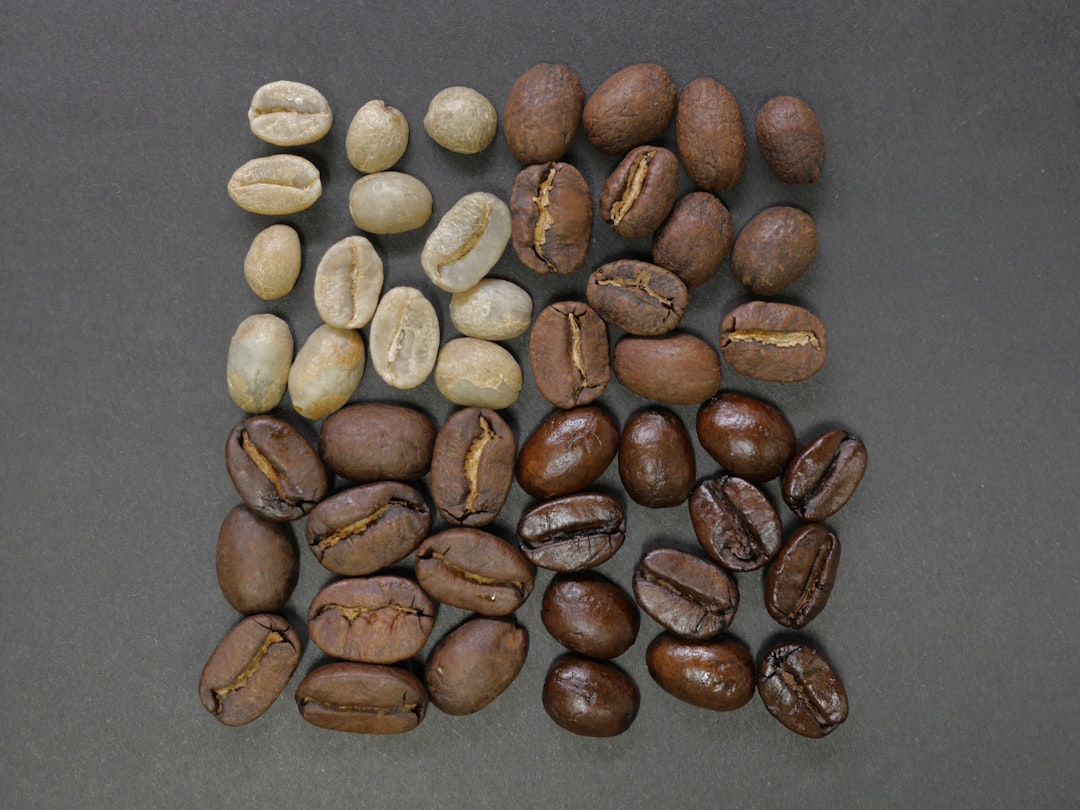
Roast level is one of the single biggest factors that shapes how your coffee tastes. It influences acidity, body, sweetness, bitterness, and whether those delicate fruit notes from a Kenyan farm ever make it past the roasting drum. Understanding the difference between light, medium, and dark roasts doesn’t just make you a smarter shopper — it helps you match beans to your brewing method and dial in a cup you actually love.
Let’s break it down, from the palest yellow-brown bean to the darkest, oiliest French roast you’ve ever seen.
Light Roast Coffee: Bright, Fruity, and Full of Origin Character
Light roasts are the coffee world’s truest expression of the bean itself.
During roasting, coffee beans go through a series of physical and chemical changes. One of the most audible milestones is the first crack — a popping sound (similar to popcorn) caused by steam and CO₂ building up inside the bean. Light roasts are pulled from the heat around or just before this point, keeping the roast short and the transformation minimal.
The result? A bean that still holds onto most of its original, origin-driven character.
Depending on where the beans came from, you might taste:
- Floral notes — jasmine, hibiscus, lavender
- Fruit — blueberry, citrus, mango, stone fruit
- Tea-like qualities — light body, clean finish, almost delicate
- Higher acidity — that bright, almost sparkling quality on the tongue
This is why specialty coffee roasters often use light roasts for single-origin offerings. They’re essentially saying: trust the bean, don’t mask it.
Light roasts shine in brewing methods that highlight nuance. Pour-over brewing — like a Hario V60 or Chemex — is a natural match because the slow, controlled extraction lets those complex flavors come through clearly. AeroPress brewed on the lighter end works beautifully too.
One heads-up: light roasts can be less forgiving to extract correctly. Because the beans are denser (less moisture has been driven out), they benefit from slightly hotter water and a finer grind than you might use for darker beans.
Medium Roast Coffee: The Balanced Sweet Spot
If you’re looking for a roast that works well across almost every brewing method and appeals to the widest range of palates, medium roast is almost always the answer.
Medium roasts are pulled after the first crack has fully completed but before the second crack begins. This extended time in the drum starts to develop what roasters call “roast flavor” — caramelization of sugars, Maillard reaction browning, and a gradual smoothing out of harsh acidity.
The flavor profile sits comfortably between “bright and complex” and “bold and roasty”:
- Caramel and brown sugar sweetness
- Milk chocolate and hazelnut
- Rounded acidity — present but not sharp
- Medium body — fuller than light roast, not heavy
- Some origin character still coming through
Grocery store staples and many household-name brands sit squarely in medium roast territory, and for good reason. It’s approachable, consistent, and versatile.
Medium roasts work genuinely well across brewing methods. You can pull a solid espresso with them, run them through a drip machine, press them in a French press, or do a lazy pour-over on a Sunday morning — and they’ll perform well in every scenario. If you’re brewing for guests with different taste preferences, a good medium roast is almost always the safe, crowd-pleasing choice.
Dark Roast Coffee: Bold, Smoky, and Unapologetically Rich
Dark roasts are where the bean steps aside and the roasting process takes center stage.
These beans are pushed deep into or past the second crack, which is another audible popping milestone during roasting, though softer and more crackling than the first. At this stage, the bean’s cellular structure starts to break down, oils are pushed to the surface, and the origin flavors are largely replaced by what the heat has created.
What you get in the cup:
- Smokiness and charred wood notes
- Deep, dark chocolate or cocoa
- Low acidity — or nearly none
- Heavy, thick body
- Bitterness — sometimes perceived as “bold” or “strong,” though this is flavor, not caffeine
- Licorice, molasses, or tobacco undertones at very dark levels
Dark roasts get a bad reputation among specialty coffee purists who argue they mask the bean’s potential. That’s fair — but it’s also incomplete. When you’re making a traditional Italian-style espresso, a lungo, or a cold brew concentrate where you want serious body and boldness, a dark roast often delivers exactly what you need.
Dark roast espresso also holds up beautifully in milk-based drinks like lattes and flat whites. Those smoky, bittersweet notes cut right through steamed milk and create that café-style balance you’re probably chasing.
Cold brew is another natural home for dark roast beans. The long, cold-water immersion process already produces a mellow, low-acid result — starting with a dark roast doubles down on body and richness without over-extracting bitterness.
How to Identify Roast Levels Just by Looking
You don’t always need to read the bag label to get a rough sense of where a coffee sits on the roast spectrum. The beans themselves give it away.
Color is your first clue:
- Light roast — cinnamon or tan brown; pale, matte surface
- Medium roast — milk chocolate to darker brown; still dry surface
- Dark roast — deep brown to nearly black; often visibly oily or glossy
That oily sheen you see on dark roast beans? That’s actual oil being pushed out of the bean’s interior as the cellular structure breaks down. It’s not added during processing — it’s purely the result of extended heat.
Surface texture matters too:
Light and medium roasts have a dry, slightly rough surface. Dark roasts feel slicker and look shiny under light. If you’re ever buying coffee from a bulk bin or local roaster without clear labeling, a quick look at surface sheen tells you a lot.
Most specialty roasters print roast level clearly on the bag — and the better ones will even tell you the approximate roast degree or describe flavor notes that make it obvious. If you’re ordering online or getting beans from a local café, don’t hesitate to ask.
Roast Level and Caffeine: The Myth Worth Clearing Up
This one comes up constantly, and the short answer is: no, dark roast does not have more caffeine.
The longer answer is that caffeine is remarkably heat-stable. It doesn’t significantly break down during roasting, regardless of how light or dark you go. The caffeine content in your cup is primarily determined by:
- Bean variety (Robusta naturally contains significantly more caffeine than Arabica)
- How much coffee you use by weight
- Brewing method and extraction time
The myth probably stems from the perception of “strength.” Dark roast tastes bolder, more intense, more bitter — so people assume it must have more caffeine. But that intensity is a flavor characteristic, not a caffeine indicator.
If anything, there’s a very slight argument that light roasts are marginally denser by volume (they haven’t expanded and lost as much mass during roasting), meaning if you scoop by volume rather than weight, you might get a tiny bit more caffeine from a light roast scoop. But the difference is negligible in real-world brewing.
The practical takeaway: if you’re choosing a roast level to control your caffeine intake, roast level is not the variable you should be optimizing. Brewing method and dose matter far more.
Matching Roast Level to Your Brew Method
Understanding roast levels is only half the equation. The other half is knowing which roast plays nicely with how you actually make coffee at home.
Here’s a practical breakdown:
Pour-over (V60, Chemex, Kalita Wave)
→ Light to medium roast. The slow, precise extraction highlights complexity and origin character. Dark roasts can turn muddy or overly bitter with these methods.
Espresso
→ Medium to dark roast. Espresso’s high-pressure, fast extraction can amplify acidity harshly in light roasts. Medium and dark roasts produce the body and sweetness espresso is known for.
French press
→ Medium to dark roast. The full-immersion, unfiltered method produces a naturally heavier body — complement that with a roast that adds richness rather than fighting it.
Cold brew
→ Medium-dark to dark roast. You need a roast with enough presence to survive dilution over ice. Dark roasts produce a concentrate that stays bold.
Drip machine
→ Medium roast is the most forgiving. It works consistently across most drip machines regardless of grind or water temperature variation.
AeroPress
→ Light to medium roast. The AeroPress’s versatility shines most when you’re exploring lighter, more delicate coffees.
Start Here If You’re Not Sure
If you’re new to paying attention to roast levels, start with a medium roast from a reputable specialty roaster. It’s the most forgiving, the most versatile, and gives you a reliable reference point.
From there, try a light roast from the same origin — you’ll immediately notice how much brighter and more fruit-forward the flavor becomes. Then try a dark roast and notice how the whole flavor profile shifts toward richness and smokiness.
Moving through those three comparisons is one of the fastest ways to train your palate and understand what you personally enjoy. Once you know where your preferences land, choosing beans stops being a guess and starts being a deliberate, satisfying decision every time.
Curious about how bean origin plays into flavor beyond just roast level? Check out our deep dive on Arabica vs. Robusta — origin and variety are just as influential as what happens in the roaster.
Photo by nousnou iwasaki on Unsplash