TL;DR
- Specialty coffee subscriptions combine direct-to-consumer roasting, social media unboxing culture, and home brewing growth.
- Main benefits: curated variety, fresher beans than retail, and discovery of roasts you won't find locally.
- Cost trade-off: $40–$80/month, but freshness and exclusive access appeal to serious home baristas.
The Specialty Coffee Subscription Box Trend: Why Home Brewers Can’t Stop Signing Up
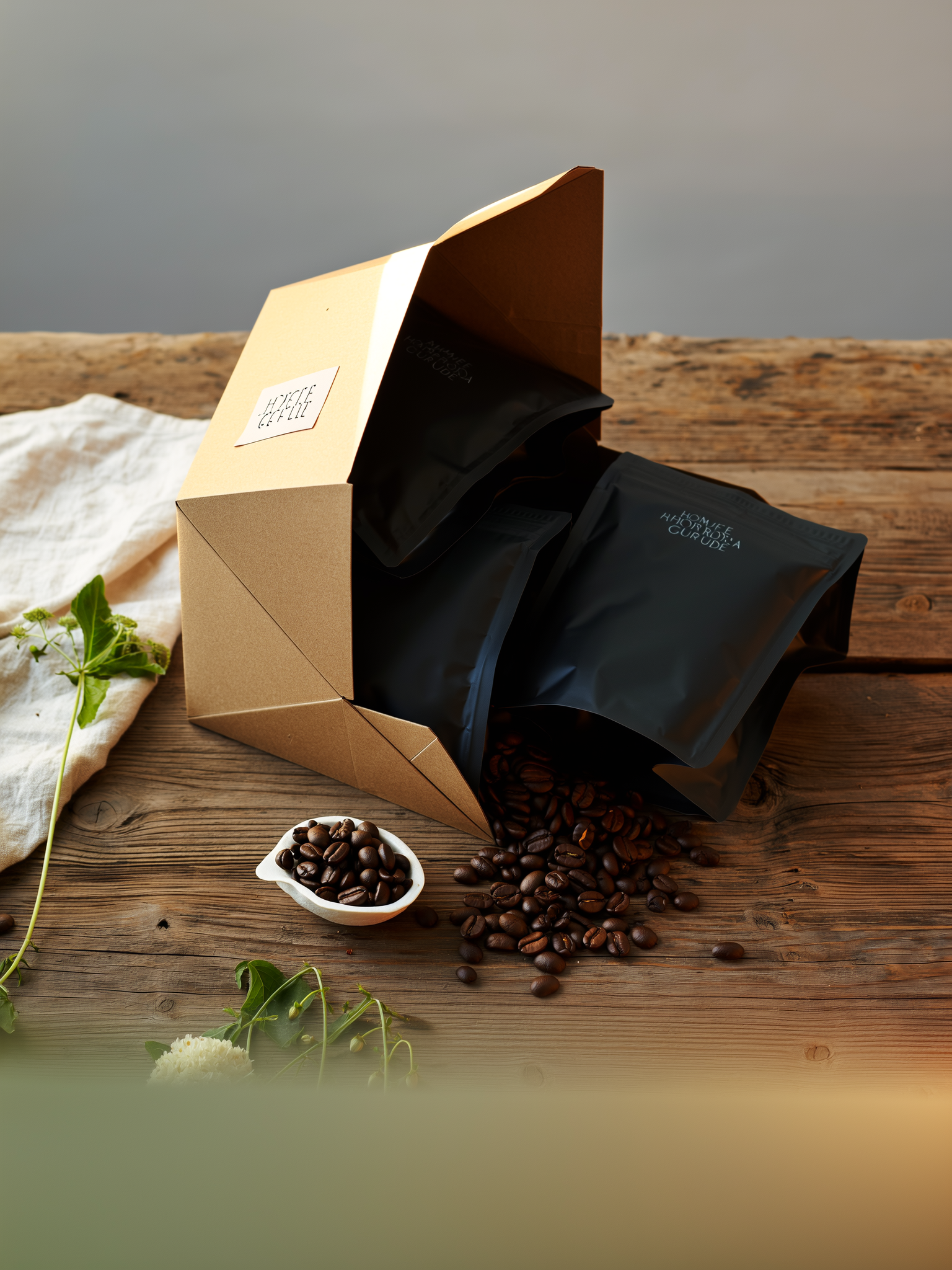
There’s a familiar ritual playing out in kitchens everywhere: a small cardboard box arrives at the door, someone tears it open on camera, and within seconds the smell of freshly roasted coffee fills the room — and the feed.
Specialty coffee subscription boxes have quietly become one of the defining habits of the modern home barista. They’re not just a convenient way to restock beans. They’ve turned into a monthly event, a discovery ritual, and — for a growing corner of the internet — a statement about taking your home brew seriously.
So what’s actually driving this trend, and is it worth jumping in? Let’s break it down.
What’s Driving the Specialty Coffee Subscription Box Boom?
A few forces collided at exactly the right time.
The direct-to-consumer model gave independent roasters a real path to customers without relying on café shelves or grocery chains. For small-batch specialty roasters, a subscription program means predictable revenue and a loyal customer base. For home brewers, it means access to roasters who would never stock a local supermarket.
Then the pandemic accelerated everything. When cafés closed or felt uncomfortable, millions of people invested in home brewing setups and started seeking out beans that matched what they’d been drinking outside. That habit didn’t disappear when the world reopened — it deepened. People got attached to their routines.
Social media sealed the deal. TikTok and Instagram Reels turned unboxing into content. A short clip of pulling a kraft paper bag from a well-designed box, sniffing the beans, and reading the tasting notes out loud gets views. Roasters noticed. The packaging got better. The inserts got prettier. More people discovered subscription boxes through someone else’s feed than through any ad.
How Subscription Boxes Compare to Buying Coffee Locally
This is the practical question, and it’s worth being honest about.
Variety is the biggest advantage by far. Most coffee drinkers cycle through two or three familiar beans and never stray. A monthly box introduces you to a rotating selection of three to five roasts or origins you might never encounter at your local café, let alone a grocery store. Ethiopian naturals, Guatemalan washed lots, experimental fermentation processes — the range is genuinely different from what sits on most retail shelves.
Freshness is the other major win. Specialty roasters in the subscription space typically roast to order or ship within a few days of roasting. Compare that to a bag on a grocery shelf that might have been roasted weeks or months ago. If you care about how coffee tastes — and if you’re reading this, you probably do — that freshness gap matters.
Cost is the honest trade-off. Subscription boxes typically run $40–$80 per month, which sounds steep upfront. But when you calculate per-ounce cost, it often lines up with or beats buying specialty coffee at a local roastery. The premium feeling is partly psychological. That said, if you’re comparing to grocery-store coffee, yes — subscriptions are more expensive. They’re not competing in the same category.
Popular Subscription Box Models in 2026
Not all subscription boxes are built the same. The market has evolved into a few distinct formats, each appealing to different brewer profiles.
Single-origin focused subscriptions rotate through farms, co-ops, or micro-lots on a monthly basis. If you’re the kind of brewer who reads about terroir and wants to taste the difference between a washed Kenyan and a natural Ethiopian, this model is basically a guided tour. You get the story of where the beans came from alongside the beans themselves.
Brewing method packs are built for homes with multiple setups. Think: one bag dialed for espresso, another suited for pour-over, maybe a coarser grind option for French press. If you pull shots in the morning and switch to a V60 on weekends, a method-matched box means you’re not compromising on either brew.
Mystery and blind box formats lean fully into the anticipation factor. You don’t know what’s coming until it arrives. This format is practically designed for social media — the surprise element makes the unboxing shareable. Roasters who execute it well build real month-to-month excitement and trust: if the box keeps surprising you well, you stay subscribed.
What Home Brewers Actually Want From Their Box
Talking to home baristas — in forums, in comment sections, in real life — a few expectations come up consistently.
A clear roast date, and a recent one. Serious home brewers want to see beans roasted within the last two weeks. Ideally less. This should be labeled prominently on the bag, not buried in fine print. If a subscription service isn’t transparent about roast dates, that’s a red flag worth taking seriously.
Brewing guidance that doesn’t assume expertise. Tasting notes are nice, but a flavor wheel or a simple “this bean works best at [brew ratio]” card is genuinely useful, especially for newer brewers who are still calibrating their palate. The best subscription boxes treat the insert as part of the experience, not an afterthought.
Flexibility without friction. This matters more than most roasters acknowledge. Life gets busy. You travel. You buy a bag locally on impulse. The ability to skip a month, pause, or swap a flavor profile — without navigating a maze of account settings or emailing customer service — is a real differentiator. Subscription fatigue is real, and the boxes that survive long-term are the ones that make it easy to stay without feeling trapped.
The Role of Home Barista Culture in Subscription Growth
Specialty coffee subscriptions didn’t grow in a vacuum. They grew alongside a culture.
Communities like r/Coffee and r/espresso have been quietly fueling the home barista movement for years. These are spaces where people share grinder calibration notes, debate brew ratios, and yes — review their latest subscription haul. Subscription boxes have become a kind of status signal in these communities: a way of signaling that you take your beans as seriously as your equipment.
That dynamic plays out on TikTok too, where gear hauls and subscription unboxings sit comfortably next to espresso pull videos and latte art tutorials. The home barista aesthetic — quality gear, intentional routine, premium inputs — has a real audience. Subscription boxes fit that aesthetic naturally.
There’s also a passive discovery element that appeals to gear-focused brewers who might spend hours researching grinders but less time hunting for new beans. A subscription removes the decision fatigue. Someone with good taste has already curated the selection. You just brew it.
Best Subscription Boxes for Different Brewer Profiles
Rather than naming specific services (the market changes quickly and availability varies by region), it’s more useful to think about what to look for based on where you are in your home brewing journey.
If you’re new to specialty coffee and budget-conscious, look for subscriptions in the $35–$50/month range that include detailed tasting notes and basic brewing instructions. The educational element is worth prioritizing over prestige roasters. You’re building your palate, not flexing it.
If you brew across multiple methods, prioritize boxes that offer variety within a single shipment. Some services let you specify your preferred brew method at signup; others include multiple bag sizes with different grind levels or roast profiles. Multi-method households benefit most from this flexibility.
If you’re deep into origin exploration, single-origin focused subscriptions are your natural fit. Look for services that include information about the farm, processing method, and harvest season — not just a vague regional label. The story behind the bean is part of what you’re paying for.
No matter your profile, read reviews on Reddit and specialty coffee forums before committing. Real brewer feedback cuts through marketing language faster than any official description.
Why This Trend Is Here to Stay
Subscription boxes aren’t a flash trend. They’ve found a natural fit inside a bigger behavioral shift.
The core logic is durable: home brewers have already invested in equipment — a quality grinder like the Baratza Encore ESP Coffee Grinder, a pour-over setup, an espresso machine. Once the gear is in place, the ongoing need becomes beans. Subscriptions convert that recurring purchase into a curated experience. That’s a compelling value proposition for both sides.
The convenience + discovery + community combination creates stickier engagement than one-off purchases. You’re not just buying coffee. You’re part of a cycle of anticipation, arrival, brewing, sharing, and waiting for what’s next.
Seasonal programming gives the model a natural refresh. Summer cold-brew blends, lighter roasts for warmer months, warming darker roasts in winter — boxes that lean into seasonality give subscribers a reason to stay curious year-round rather than plateauing on a favorite and canceling.
For specialty roasters, the economics make sense. A subscription program smooths out demand, reduces unsold inventory, and builds direct relationships with customers who actually care about what’s in the bag.
And for home brewers? It’s the simplest possible answer to the question you’re probably asking most mornings: what should I try next?
Thinking about leveling up your home brew setup alongside your new bean discoveries? Check out our guide to choosing the right grinder for your brewing method — because even the best beans deserve a proper grind.