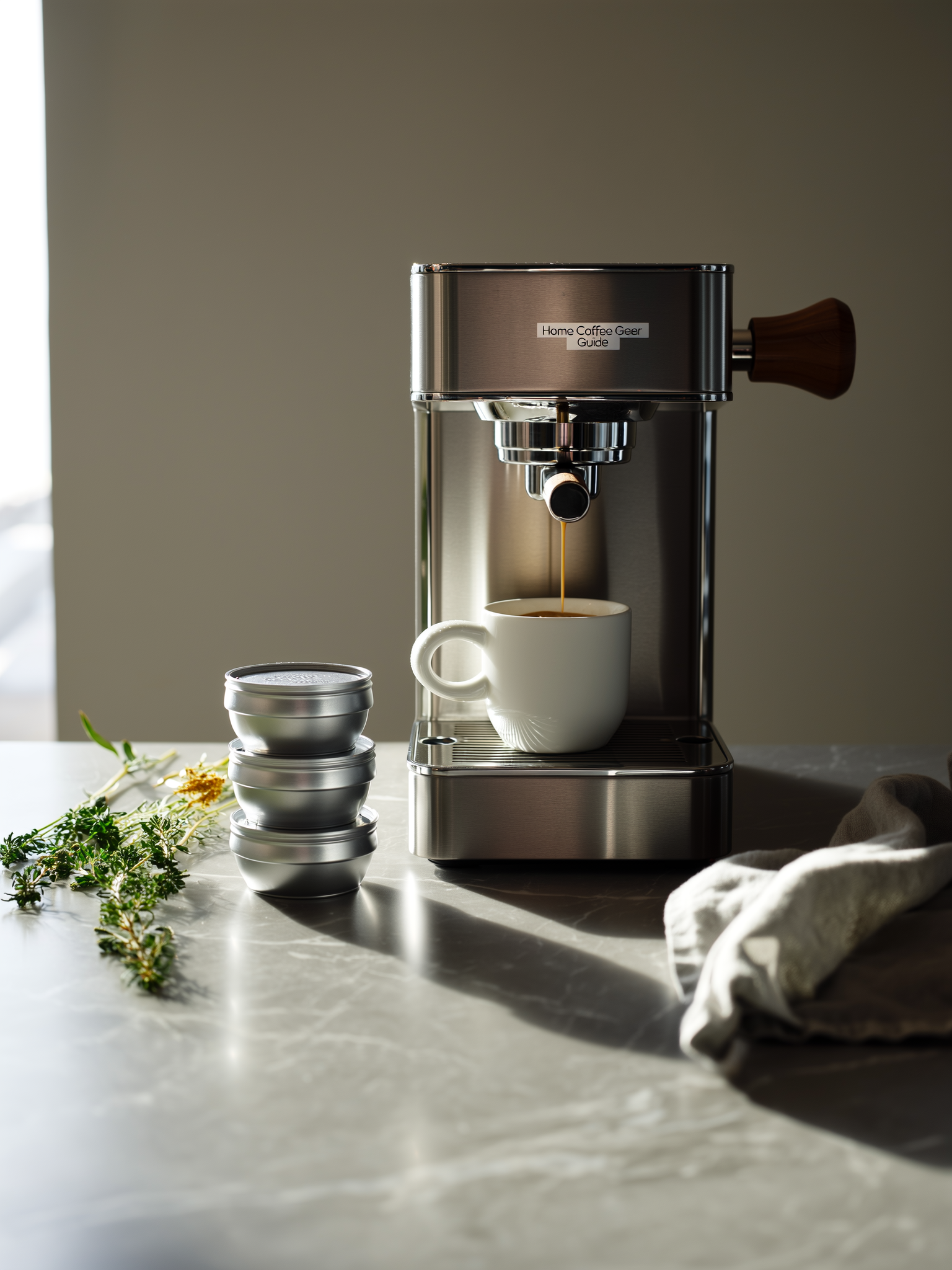
TL;DR
- Pod machines offer genuine convenience and low entry cost ($100+), but flavor quality lags real espresso machines noticeably.
- Nespresso's centrifusion foam isn't equivalent to true espresso crema; real espresso has more body, intensity, and boldness.
- Per-shot cost of pods adds up quickly—often more expensive than fresh-ground beans over time.
Nespresso and Pod Machines vs. Real Espresso Machines: Is the Convenience Actually Worth It?
Pod machines vs. real espresso machines is one of the most heated debates in home coffee culture right now — and the honest answer is that neither side is universally right. What you’re actually choosing is a lifestyle trade-off, and most guides gloss over the numbers and the nuances that would actually help you decide. Let’s fix that.
The Pod Machine Promise: Convenience That’s Genuinely Impressive
There’s a reason Nespresso and Keurig have taken over millions of kitchen counters. The convenience is real, and it’s not nothing.
With a Nespresso, you walk up to a cold machine, lift the handle, pop in a pod, press a button, and walk away with espresso in under a minute. No grinding beans, no tamping, no portafilter to bang out and rinse. Cleanup means lifting a handle to drop the used pod into a container. That’s it.
For anyone with a chaotic morning routine — or who just doesn’t want to think before 8am — that’s genuinely compelling.
Pod machines also lower the barrier to entry significantly. Nespresso machines start at just over $100 Nespresso Essenza Mini, which is a fraction of what a solid pump-driven espresso setup will cost you. Keurig K-Cups offer a much wider variety of blends and brands than Nespresso, so if variety and zero effort are your priorities, pods serve that need well.
The Flavor Gap Is Real — And Bigger Than Marketing Suggests
Here’s where the convenience story starts to crack.
Consumer Reports is blunt about it: “Pod coffee simply isn’t as high quality, or as fresh-tasting” compared to drip or espresso options made with fresh-ground beans. That’s not a niche enthusiast opinion — it’s a mainstream consumer testing conclusion.
Why? A few reasons.
Nespresso uses what it calls “centrifusion” technology, which spins coffee around inside the capsule to generate a crema-like foam. But that foam isn’t the same as the crema produced by genuine pressure-driven extraction. Traditional espresso crema is a direct indicator of coffee oil and CO2 extraction — Nespresso’s foam isn’t equivalent to that signal.
The result: real espresso has more body, more intensity, bolder flavors, and a bigger acidic punch compared to Nespresso. If you’ve only ever tasted pod espresso, you might not know what you’re missing. But side-by-side, the difference is noticeable.
Pods also lock you into someone else’s flavor decisions. You can’t dial in your shot — you can’t adjust grind size, extraction time, or tamp pressure. The only variable you control is which colored pod you reach for. Nespresso’s Vertuo line has 30+ options, which sounds like a lot until you’ve spent a year buying the same eight you actually like.
The Cost Math: Capsules Add Up Faster Than You Think
This is where most people get surprised — and where the pod machine’s upfront affordability starts looking less appealing.
A single Nespresso pod costs approximately $0.40 per shot. An espresso drinker pulling one or two shots a day will spend roughly $146–$292 per year on pods alone at that rate — and some capsule brands run higher.
Fresh whole-bean coffee tells a different story. A kilogram of quality beans at around $20 works out to roughly $0.20 per shot — about half the per-shot cost of pods.
The break-even math is significant: after the initial investment in a real espresso setup, daily drinkers typically reach break-even within 18–24 months and save $300–500 annually beyond that point compared to running a Nespresso.
For occasional drinkers — say, two or three shots a week — that calculation flips. The upfront cost of a real espresso machine ($800–$3,000 for machine plus grinder) takes much longer to justify at lower volume, and you may never break even on the investment.
The honest rule of thumb:
– Daily drinker → real espresso saves you real money within 2 years
– Occasional drinker → pods may remain the more economical choice indefinitely
The Environmental Picture Nobody Talks About Enough
Here’s a number worth sitting with: 62 billion coffee pods are consumed annually across North America and Europe. Only 27% of people actually recycle them. That means roughly 45 billion pods go to landfill every year, generating an annual waste footprint of 576,000 metric tons.
This isn’t a fringe concern. John Sylvan, the inventor of Keurig’s K-Cup, publicly admitted in 2015 that he “feels bad sometimes” about having created coffee pods, given the scale of their environmental impact.
Nespresso does operate recycling programs in many markets, and that’s worth crediting — but the recycling rate across the category remains low in practice. If environmental footprint matters to you, this is a meaningful consideration that the pod machine’s marketing rarely emphasizes.
Real espresso with a bag of whole beans generates a compostable puck of coffee grounds and an empty paper bag. The comparison isn’t close.
Machine Lifespan: Another Place the Numbers Matter
Pod machine lifespans vary more than most buyers realize.
A standard pod machine typically lasts 2–3 years with regular use. Nespresso machines, which carry better build quality for the category, average a longer 5–7 year lifespan. A well-maintained traditional espresso machine, by contrast, can run for 7–10 years — and quality machines often retain meaningful resale value.
This matters when you’re calculating total cost of ownership. A $150 pod machine you replace every three years costs more over a decade than it appears at the register.
The Middle Ground Worth Knowing About
The binary of “pod machine OR fancy espresso setup” isn’t actually how most of the home barista market works right now.
Entry-level semi-automatic machines in the $400–$800 range, paired with a mid-range burr grinder, give you real espresso extraction with significantly less complexity than a full prosumer setup. You’re dialing in grind and tamp — but you’re not rebuilding a pump on weekends.
There’s also growing interest in manual lever espresso makers — machines like the Flair Flair Espresso Maker or ROK — which produce genuine pressure-driven espresso at a fraction of the cost of electric machines. Reddit and TikTok discussions among younger home brewers show real enthusiasm for the ritual side of manual brewing: the process is part of the appeal, not an obstacle to it.
This middle ground is worth exploring if you’re currently running a pod machine and feeling like you want more control but aren’t ready to spend $2,000+ on a full setup.
Who Should Actually Choose Pods vs. Espresso?
Let’s be direct about this, because most guides hedge endlessly.
Pods make sense if:
– You drink espresso once or twice a week at most
– Zero cleanup is genuinely non-negotiable for your mornings
– You have no interest in learning extraction variables
– You travel frequently and want a low-maintenance option at home
Real espresso makes sense if:
– You pull at least one shot daily
– You want to keep running costs low long-term
– Flavor depth matters to you — you want to taste the difference between origins and roast levels
– You’re interested in the craft side of brewing, not just the caffeine delivery
The honest middle many households land on: one pod machine for rushed weekday mornings, and a manual or semi-automatic setup for weekend ritual brewing. If that sounds like unnecessary complexity, it’s actually practical — and it’s how a lot of dedicated home brewers actually operate.
The Bottom Line
Nespresso and pod machines vs. real espresso machines isn’t a question with one right answer — but it is a question with a right answer for your specific situation.
Pod machines deliver on their promise: fast, consistent, no-mess espresso with no learning curve. But Consumer Reports is right that you’re giving up fresh taste and quality in exchange. The per-shot cost is higher than it looks, the environmental footprint is significant, and the flavor ceiling is fixed by whatever Nespresso puts in the capsule.
Real espresso setups demand upfront investment — in money and in learning time. But the reward is better taste, lower long-term cost, a machine that lasts a decade, and the ability to keep improving as your technique develops.
If you’re a daily drinker who’s still running a pod machine out of habit rather than actual preference, the math almost certainly favors making the switch within the next year. If you’re a casual weekend drinker who just wants coffee to happen, a well-built Nespresso is a perfectly sensible tool.
The worst outcome is spending $1,500 on a real espresso setup and using it twice before reverting to pods. Be honest about how you actually brew — not how you imagine your ideal self brews. That self-knowledge is more valuable than any gear review.
Looking to level up from a pod machine? Check out our guide to entry-level semi-automatic espresso machines and how to choose your first burr grinder without overspending.
Frequently Asked Questions
Is Nespresso as good as real espresso?
No. Nespresso uses centrifusion technology to create foam, but it doesn’t match the crema from genuine pressure-driven extraction. Real espresso has noticeably more body, intensity, and flavor complexity—though if you’ve only had pod espresso, you might not notice the difference until you try side-by-side.
Are pod machines cheaper than espresso machines in the long run?
Not necessarily. While pod machines cost less upfront ($100 vs. $300+), the per-shot cost of capsules adds up quickly and often exceeds the cost of fresh-ground beans used in traditional espresso machines over time.
Can you customize your shot with a pod machine?
Barely. Pod machines remove control over grind size, extraction time, and tamp pressure—the variables that let you dial in flavor. You’re limited to choosing which pre-selected pod variety to use, which means limited customization compared to real espresso machines.
Why do people still use Nespresso if real espresso is better?
Convenience and simplicity are genuinely compelling for busy routines. Pod machines eliminate grinding, tamping, and cleanup—they take under a minute from cold machine to espresso in hand, which matters for many home coffee drinkers despite the flavor trade-off.
Sources
- Nespresso vs espresso: a barista explores the key differences | Homes and Gardens
- Nespresso Vs Espresso Coffee
- I tested 8 Nespresso machines and found 3 that changed my opinion on the quality of its espresso | CNN Underscored
- Nespresso Vs. Espresso: Which Is A Better Coffee Machine?
- Nespresso vs Espresso Machine – The Real Cost Explained – The Matbakh
- Nespresso vs Keurig: which pod machine is best for you?