TL;DR
- Paper filters (AeroPress, pour-over) create cleaner cups; metal mesh (French press) lets oils through for fuller body.
- AeroPress delivers balanced brightness with 1/9 the acidity of French press — best for light roasts without sharp bite.
- Choose based on flavor preference: clarity and origin notes (pour-over), richness and body (French press), or balanced middle ground (AeroPress).
AeroPress vs French Press vs Pour Over: Which Actually Tastes Better?
This post contains affiliate links. We may earn a commission at no extra cost to you.
Same beans. Same grind size. Three completely different coffees. That’s the AeroPress vs French press vs pour-over debate in a nutshell — and it’s the reason there’s no single right answer about which brewer “tastes better.”
What there is a right answer to: which method tastes better for you, based on what you actually want in your morning cup. This guide breaks down the real flavor differences, the science behind why they happen, and exactly which beans shine in each method — so you can stop second-guessing and start brewing.
Why Filter Type Is the Real Flavor Divider
Before comparing brewers side by side, you need to understand one thing: the filter is doing most of the flavor work.
Here’s how it breaks down:
- Paper filters (AeroPress, pour-over): Block coffee oils and fine sediment. Result: a cleaner, lighter-bodied cup where origin flavors — floral notes, fruit acidity, tea-like delicacy — come through clearly.
- Metal mesh (French press): Coffee lipids, including compounds called cafestol and kahweol, pass straight through. Result: a heavier mouthfeel, richer texture, and bold chocolate or earthy notes that oils amplify.
This isn’t about which filter is better — it’s about what you want to taste. Clarity vs. fullness. That’s the whole game.
AeroPress: Clean, Balanced, and Surprisingly Versatile
The AeroPress taste profile sits right between pour-over brightness and French press richness. You get medium body, noticeable sweetness, moderate acidity, and a cup where both origin character and fullness come through together.
Why? Because the AeroPress combines two mechanisms: full immersion (like French press) and pressure-assisted extraction (like a rough cousin of espresso). As food chemist and roast consultant Dr. Lena Sato explains, “Pressure doesn’t just speed up extraction — it changes the solubility equilibrium of volatile aromatic esters, which is why AeroPress can taste ‘cleaner’ even at high TDS.”
In practical terms: AeroPress produces high levels of citric, malic, and chlorogenic acids, which contribute crisp apple, bergamot, and stone fruit notes. And because it uses a paper filter, cafestol and kahweol are largely filtered out — meaning you get richness without heaviness.
One striking data point: AeroPress brewed coffee contains just one-ninth the acidity of French press coffee. That’s not a small difference. It means AeroPress is the go-to choice if you want a brighter-tasting cup but find pour-over acidity too sharp.
Best bean match: Single-origin light roasts — Ethiopian Yirgacheffe, Kenyan washed coffees. The AeroPress highlights floral and fruit notes without stripping them of body.
Practical strengths:
– Brew time: approximately 2 minutes — fastest of the three
– Forgiving technique: small variations in pour or timing don’t dramatically change the cup
– Portable: the only brewer here you can take camping or on a work trip
Worth knowing: You will go through paper filters regularly. Budget around $8–12 per year for replacements — not a dealbreaker, but worth factoring in.
A popular entry point is the AeroPress Original AeroPress Original Coffee Maker — straightforward, durable, and widely available. For travel, the AeroPress Go AeroPress Go Travel Coffee Press includes a built-in travel mug and is noticeably more compact.
French Press: Bold, Oily, Built for Dark Roasts
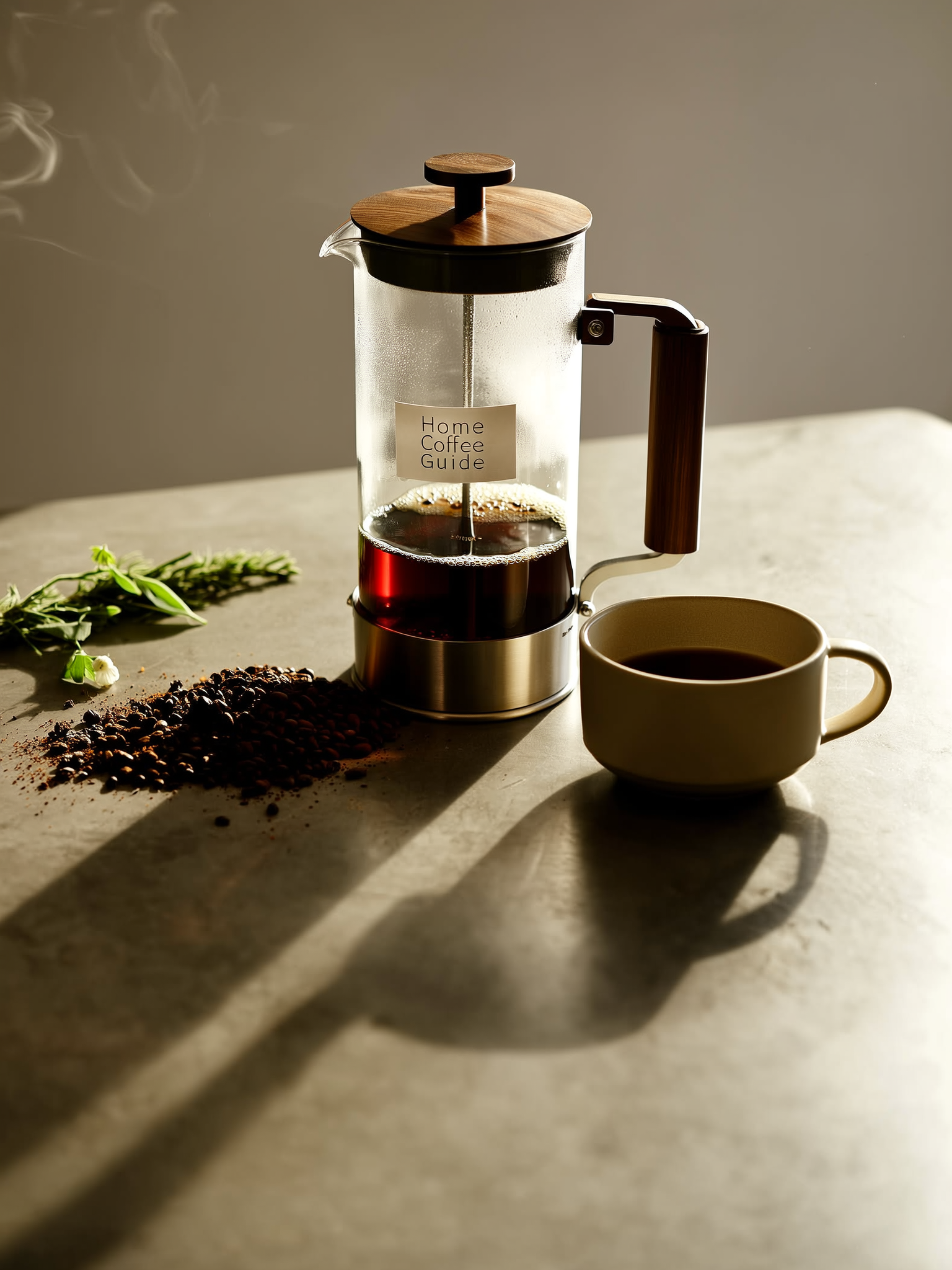
If you want a cup that feels like it’s wearing a coat — rich, heavy, warming — the French press is your brewer. The flavor signature here is full body, prominent oils, and rounded chocolate, walnut, and earth tones. Acidity sits in the background.
The immersion method (grounds steep fully submerged for around 4–5 minutes) extracts maximum flavor compounds, including lipid-soluble terpenes and melanoidins — the compounds responsible for that distinctive dark, chocolatey depth. Because there’s no paper filter, those oils stay in your cup and amplify the roast’s natural character.
The trade-off: the same oils that add richness also soften origin complexity. A delicate Ethiopian Yirgacheffe brewed in a French press loses some of its floral finesse. You’ll taste “coffee” more than you’ll taste the specific farm or process.
Best bean match: Brazilian Santos, Indonesian Sumatra, or any quality dark roast. The heavier the roast’s natural sweetness and body, the more the French press amplifies it.
Practical strengths:
– Large batch brewing — most French presses handle 8+ cups easily
– No filters to buy, ever
– Simple technique: grind coarse, steep, press, pour
What most guides skip: Sediment is real. If you pour the last inch of a French press cup, you’re getting fine grounds in your mug. Let the plunger-pressed sediment settle for 30 seconds before pouring, and stop before you reach the bottom — you’ll get a noticeably cleaner result.
The Bodum Chambord French Press Bodum Chambord French Press Coffee Maker is a reliable classic that holds up well with daily use. If you’re brewing for a crowd, the Bodum Brazil 8-Cup French Press Bodum Brazil 8 Cup French Press Coffee Maker gives you the volume without the premium price tag.
Pour-Over: Bright, Precise, and Origin-Forward
Pour-over is the brewer that gets out of the way and lets the coffee speak. The result is a light-to-medium body, bright and clearly defined acidity, and origin-forward flavor — the kind of cup where you can actually taste the difference between a Kenyan and an Ethiopian coffee.
That clarity comes from two things working together: paper filtration (removing oils and sediment) and manual control over water flow. You’re pouring water over grounds in stages, controlling how evenly the coffee bed saturates and how long each zone extracts. Brew time runs 3–4 minutes, and the technique demands a bit more attention than the other two methods.
This is the most technique-sensitive brewer of the three. Pour speed matters. Water temperature matters. If you pour too fast or let the bed run dry unevenly, you’ll taste it — the cup turns flat or hollow. That’s not a reason to avoid pour-over; it’s just worth knowing upfront.
Best bean match: East African coffees — Kenya, Ethiopia, Burundi — and high-altitude single origins. The paper filter and controlled extraction let floral, tea-like, and citrus notes come through with maximum clarity.
Practical strengths:
– Maximum extraction control — repeatable once you’ve dialed in your technique
– Scales from a single cup to a household batch
– Filter disposal is clean and instant
– Strong ritual appeal — for many home brewers, the slower pace is the point
Annual filter cost: approximately $10–15 for paper filters, roughly in line with AeroPress.
The Hario V60 Ceramic Dripper Hario V60 Ceramic Coffee Dripper is the gold standard for pour-over at home — it rewards good technique and produces an exceptionally clean cup. If you want something more forgiving with a built-in carafe, the Chemex 6-Cup Pour-Over Coffee Maker Chemex 6-Cup Pour-Over Glass Coffee Maker uses a thicker filter that removes even more oils for an almost tea-like clarity.
Side-by-Side: The Honest Comparison Table
| Brewer | Taste Profile | Brew Time | Body | Best Roast | Skill Level | Filter Cost/Year |
|---|---|---|---|---|---|---|
| AeroPress | Clean, balanced, sweet | ~2 min | Medium | Light–medium | Easy | ~$8–12 |
| French Press | Full, oily, rich | ~4–5 min | Heavy | Dark | Easy | None |
| Pour-Over | Bright, origin-clear | ~3–4 min | Medium-light | Light–medium | Intermediate | ~$10–15 |
Which Bean Goes in Which Brewer?
This is where most guides stop at vague generalities. Here’s a concrete pairing guide:
Ethiopian Yirgacheffe (floral, fruity, tea-like):
→ Pour-over wins. Paper filtration and manual control let the delicate acidity and bergamot notes shine without being muted by oils. French press dulls these notes noticeably.
Brazilian Santos (chocolate, nuts, natural sweetness):
→ French press wins. The oils amplify Brazil’s natural body and sweetness. The heavier mouthfeel complements the roast character rather than fighting it.
Kenyan Washed (blackcurrant, bright citrus, crisp acidity):
→ AeroPress or pour-over. Both work well. AeroPress gives you the fruit notes with a rounder finish; pour-over makes the acidity sharper and more pronounced. Try both and decide which version of that coffee you prefer.
A darker blend you buy for convenience:
→ French press or AeroPress. Pour-over on a dark blend often just tastes flat — the paper filter removes the oils that dark roasts rely on for flavor interest.
The Repeatability Factor (What No One Talks About)
Here’s something worth flagging that most comparison guides miss entirely: which method gives you the same-tasting cup day after day?
- AeroPress is the most forgiving. Small variations in your technique don’t dramatically shift the flavor. Good choice if consistency with minimal effort is your goal.
- French press is consistent in a different way — it’s hard to dramatically over- or under-extract because immersion is relatively self-regulating at coarse grind settings. The risk is sediment variability.
- Pour-over is the least forgiving. Pour speed, water temperature, and bloom time all interact. Once you’ve dialed in your routine, it’s repeatable — but the learning curve to get there is real.
So Which Actually Tastes Better?
Honestly? The one that matches what you’re actually trying to drink.
- Want clean, bright, origin-forward flavor? → Pour-over
- Want rich, bold, full-bodied comfort? → French press
- Want balanced, versatile, fast, and easy? → AeroPress
If you’re completely new to home brewing and want one brewer that’s hard to mess up and tastes noticeably better than anything from a drip machine, start with the AeroPress. It’s the most forgiving, it brews in 2 minutes, and the flavor range you can achieve with different bean types is genuinely surprising.
If you already know you drink dark roasts and want to brew for a table of people without fussing over technique, the French press is the obvious choice.
And if you’ve started caring about where your coffee comes from and want to actually taste it — the pour-over is worth the learning curve.
All three brewers are available on Amazon. See the product links throughout this post for current pricing. Prices and availability are accurate as of the time of writing but may change.
Frequently Asked Questions
Does AeroPress really taste different from French press?
Yes — AeroPress uses a paper filter that blocks oils (cafestol and kahweol), producing a cleaner, lighter-bodied cup with crisp fruit and floral notes. French press lets those oils through, creating a heavier mouthfeel and bolder chocolate or earthy flavors. Same beans brewed in each method will taste noticeably different.
Which brewing method has the least acidity?
AeroPress has approximately one-ninth the acidity of French press coffee, making it the best choice if you want brightness without sharp acidity that pour-over can produce.
What beans taste best in an AeroPress?
Light roasts with single-origin character shine in AeroPress — Ethiopian Yirgacheffe, Kenyan washed coffees, and other beans with floral and fruit notes. The medium body and paper filter highlight these delicate flavors without stripping them.
How long does it take to brew with each method?
AeroPress is the fastest at approximately 2 minutes, followed by pour-over (3–4 minutes), and French press (4–5 minutes). Speed doesn’t affect taste quality — it’s just a convenience factor.
Sources
- Aeropress Coffee vs Pour Over: The Ultimate Showdown
- AeroPress vs Pourover: Which Brewing Method Brings Out More Flavor Notes?
- AeroPress vs French Press: An Honest Head-to-Head
- Pour Over vs French Press vs AeroPress: Brew Guide 2026
- AeroPress VS Pour-over: Which Brewing Method is Better?
- Aeropress vs Pour Over: Which Manual Brewer Makes the Better Cup?