TL;DR
- Decaf removes ~97% of caffeine (2 mg vs 95 mg per cup) while retaining most antioxidants and health benefits.
- Three main methods: ethyl acetate (fast, commercial), Swiss Water (solvent-free, specialty), and CO2 (preserves flavor best).
- Quality decaf is indistinguishable from regular in blind taste tests 90% of the time — it's a legitimate brewing choice, not a compromise.
Is Decaf Coffee Worth Drinking? How Decaffeination Actually Works
Decaf coffee removes around 97% of caffeine — leaving just 2 mg per cup versus roughly 95 mg in regular coffee — and it retains most of coffee’s health-protective antioxidants. If you’ve ever skipped an afternoon cup because you didn’t want to stare at the ceiling at midnight, or wondered whether decaf is just “watered-down coffee with the soul removed,” this guide breaks down exactly what happens to your beans during decaffeination, what that means for flavor, and whether the trade-off is genuinely worth it.
Spoiler: it often is. Let’s get into why.
The “Fake Coffee” Myth, Debunked
Decaf has a reputation problem. People assume it’s a lesser product — a compromise for people who “can’t handle” real coffee. That’s worth pushing back on directly.
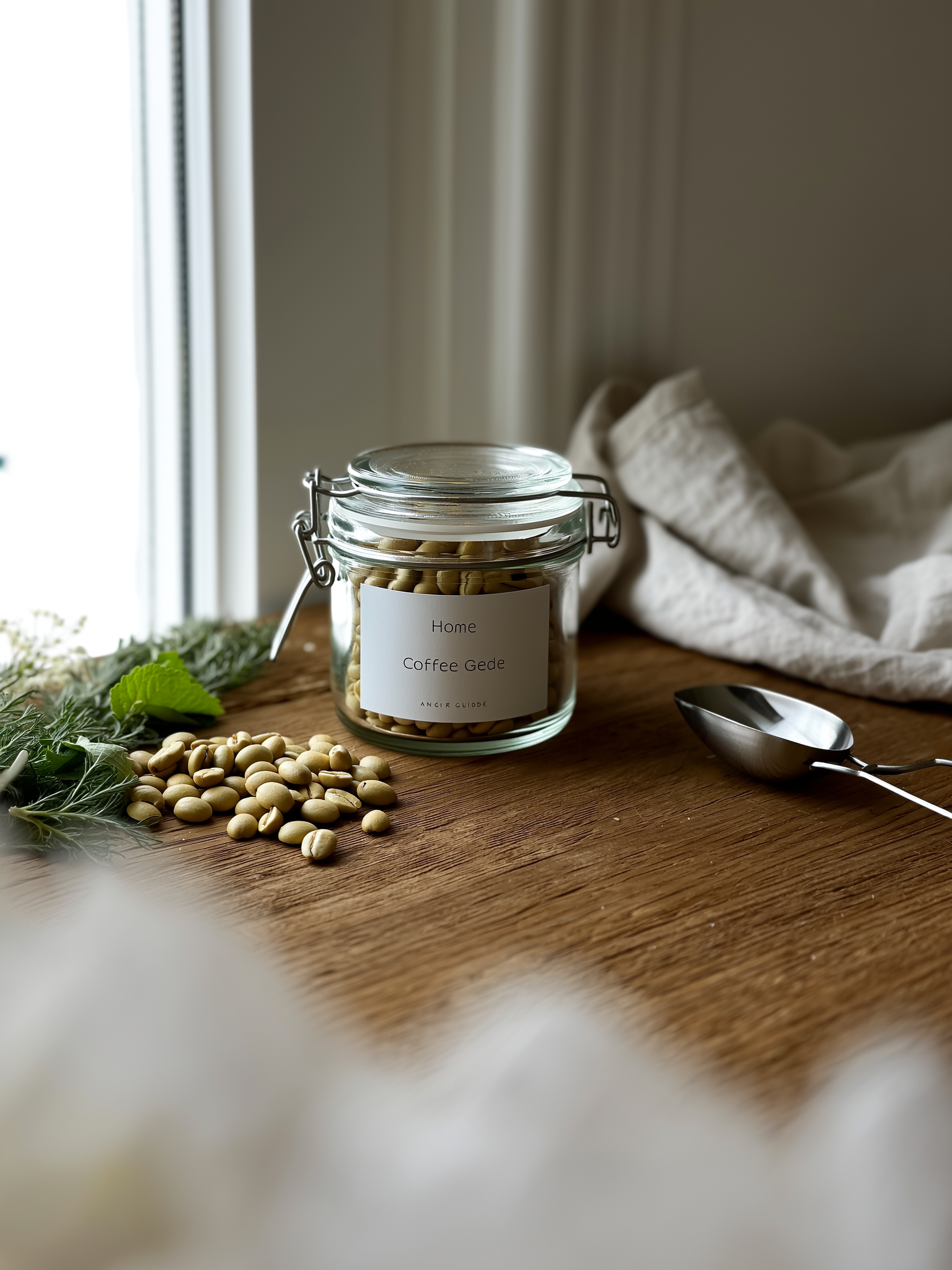
Decaffeinated coffee is made from the same green coffee beans as regular coffee. The difference is one additional processing step before roasting: caffeine is extracted from the raw bean. Everything else — the origin, the roast profile, the brewing method — can be identical.
Here’s a fact that surprises most people: in blind taste tests, only 10% of participants can correctly identify which cup is decaf. That’s not a small margin. It means the average coffee drinker, given a well-brewed cup of quality decaf, will call it regular coffee nine times out of ten.
That’s not a compromise. That’s a legitimate brewing choice.
How Decaffeination Works: The Three Main Methods
Before beans are roasted, they’re still green and relatively porous. Decaffeination always starts the same way: green beans are moistened with water or steam to swell and open their cellular structure, making the caffeine accessible for extraction. After that, the process diverges into three distinct methods.
1. The Ethyl Acetate (EA) Method
This is the most common commercial route. Ethyl acetate — a solvent that occurs naturally in some fruits but is typically synthesized for industrial use — is circulated over the moistened beans. It binds to caffeine molecules and carries them away, leaving other compounds mostly intact. The beans are then rinsed thoroughly and dried.
It’s fast and cost-effective, which is why most grocery-store decaf uses this method. The concern some people raise is solvent residue, but roasting temperatures effectively eliminate any traces. The FDA considers residual levels from EA processing to be safe at commercial standards.
One honest downside: some specialty coffee roasters note that the EA method can leave a faint solvent undertone, particularly in lighter roasts where there’s less roast character to mask it.
2. The Swiss Water Process
Developed in Switzerland in the 1930s and commercialized by the Swiss Water Decaffeinated Coffee Company since 1988, this method uses no synthetic chemical solvents at all — making it a popular choice for organic and specialty decaf.
Here’s how it works: green beans are soaked in hot water, which draws out caffeine along with other flavor compounds. That water is then passed through activated charcoal filters, which trap the larger caffeine molecules while allowing smaller flavor molecules to pass through. The resulting “flavor-charged water” (now caffeine-free) is used to soak the next batch of beans — extracting caffeine without stripping flavor, because the water is already saturated with flavor compounds.
It’s clever chemistry. The Swiss Water process removes 94–96% of caffeine, slightly less than chemical solvent methods, but it’s widely preferred by specialty roasters because it preserves more of the bean’s original flavor profile.
If you care about chemical-free processing, look for Swiss Water Process on the label. It’s usually stated explicitly because it’s a selling point.
3. The CO₂ Method
This is the premium option — and the least commonly labeled on consumer packaging. Developed by Kurt Zosel of the Max Planck Institute, this method uses liquid CO₂ under high pressure to selectively extract caffeine from the bean.
The key advantage is selectivity: CO₂ at specific pressures targets caffeine molecules almost exclusively, leaving flavor compounds largely undisturbed. It’s the most flavor-preserving method of the three, which is why it’s favored for high-end single-origin decafs.
The catch? It’s expensive to operate and doesn’t recover caffeine efficiently enough for large-scale production. You’ll rarely see “CO₂ decaffeinated” on packaging unless you’re buying from a specialty roaster who considers it a premium differentiator — and charges accordingly.
What Caffeine Actually Remains
The FDA defines “decaffeinated” as at least 97% caffeine removal. In practice, a standard 8 oz cup of decaf contains roughly 2 mg of caffeine according to the National Coffee Association — compared to about 95 mg in a regular cup.
That said, the actual number can vary from 2 to 15 mg depending on:
- Bean type: Robusta beans naturally contain more caffeine than arabica, so a robusta-based decaf starts with more caffeine to remove and may retain more residually
- Decaffeination method: Chemical solvent methods tend to achieve slightly higher removal rates than water-only processes
- Brew method: Espresso, drip, and cold brew all extract differently, even from decaf
Practical implication for afternoon drinking: Caffeine has a half-life of approximately 5–6 hours. A single decaf cup at 4 pm means roughly 1–7 mg of caffeine still metabolizing at 10 pm — minimal for most people. Three or four decaf cups throughout the afternoon, however, can accumulate to roughly the equivalent caffeine of one regular cup. Decaf is not zero-caffeine; it’s very-low-caffeine.
For most people, that distinction doesn’t matter. For those with high caffeine sensitivity, it’s worth knowing.
Health Benefits: Do Decaf’s Antioxidants Hold Up?
Here’s where decaf’s reputation takes an undeserved hit. Most long-term coffee health research focuses on regular coffee — but the compounds behind the protective associations (polyphenols, chlorogenic acid) aren’t caffeine. They’re antioxidants that survive decaffeination.
Decaf retains approximately 85–90% of regular coffee’s antioxidant content. Research links both regular and decaf coffee to lower risks of certain cancers, type 2 diabetes, and cardiovascular disease. Multiple large studies find no major difference between decaf and caffeinated coffee when it comes to longevity and chronic disease risk reduction.
One specific cardiovascular finding worth noting: switching to decaf has been associated with reductions in systolic blood pressure of 1.5 mm Hg and diastolic pressure of 1.0 mm Hg — a modest but measurable effect, likely because caffeine itself raises blood pressure temporarily.
The honest caveat: decaf-specific long-term studies are fewer and less comprehensive than regular coffee research. The emerging picture is promising and consistent with regular coffee data, but the evidence base isn’t identical. Anyone making health decisions should factor that in rather than treating both as perfectly equivalent in the research literature.
Safety Concerns: What About the Solvents?
Methylene chloride is the concern that surfaces most often in decaf safety discussions. It’s a solvent historically used in some decaffeination processes, and it’s legitimately worth understanding — though the risk at commercial levels is lower than the alarm often suggests.
Roasting temperatures (typically 200°C / 392°F and above) volatilize any residual traces of processing solvents before coffee reaches your cup. The FDA has established that residual levels from approved decaffeination solvents in finished coffee are safe under commercial processing standards.
If chemical exposure is still a concern for you, the practical answer is simple: choose Swiss Water Process or CO₂-processed decaf. Both avoid synthetic solvents entirely. Swiss Water is widely available; CO₂-processed is rarer and pricier.
One transparency issue worth flagging: most commercial decaf packaging doesn’t disclose the processing method unless it’s a selling point (Swiss Water, organic). If the label doesn’t say, it’s almost certainly an EA solvent process. Organic certification generally requires non-synthetic processing methods, so organic decaf is a reliable shortcut if you want to avoid solvent concerns without hunting down specialty roasters.
How Decaffeination Changes Flavor
Let’s be honest about the taste gap, because pretending it doesn’t exist isn’t helpful.
Decaf typically tastes slightly flatter than regular coffee. Caffeine itself contributes to perceived bitterness and brightness, so removing it softens those edges. Decaf tends to taste sweeter and fruitier, with less intensity and body. The aroma is usually lighter as well, which matters because much of what we perceive as “coffee taste” is actually smell.
By method, the flavor differences are real:
- EA method: Adequate preservation but can carry a faint chemical undertone in delicate light roasts
- Swiss Water: Better flavor retention, closer to the origin’s natural character; preferred by specialty roasters
- CO₂: Best flavor preservation of the three; closest to non-decaffeinated coffee from the same bean
Freshness matters more with decaf than with regular coffee. Decaffeinated beans degas and oxidize faster because the decaffeination process alters the bean’s cellular structure, making it more porous. Buy decaf in smaller quantities and store it properly — an airtight container, away from light and heat, is essential.
Brewing tip for better decaf: Because decaf has fewer soluble compounds to extract, you can compensate slightly by using water toward the hotter end of the recommended range (around 95–96°C / 203–205°F for pour-over) and extending your steep or draw-down time by 15–20 seconds. This extracts more of what’s there without over-extracting. Don’t compensate by dramatically increasing your coffee-to-water ratio — it makes the cup muddier, not stronger.
Decaf Is Mainstream, Not Fringe
Decaf accounts for roughly 12% of global coffee consumption. That’s not a niche workaround for the caffeine-averse — it’s one in eight cups of coffee served worldwide.
The typical decaf drinker isn’t someone who “can’t handle” caffeine. They’re someone who wants to drink coffee at 7 pm without disrupting their sleep, or someone who already had three regular cups and still wants the ritual of a post-dinner cup, or someone who’s pregnant and being cautious about caffeine intake.
No special equipment is needed to brew decaf at home. Your pour-over, French press, espresso machine, or Moka pot works exactly the same way. The only adjustment is the minor technique tweak mentioned above for extraction optimization.
On cost: decaf typically runs 10–20% more expensive than equivalent regular coffee. That premium reflects the additional processing step. For specialty Swiss Water or CO₂-processed decaf, the premium is higher. Whether that’s worth it is a personal call, but it’s not a dramatic price difference.
So — Is Decaf Coffee Worth Drinking?
Yes, under the right conditions — and the conditions aren’t that narrow.
Decaf is worth it if you’re caffeine-sensitive, drinking in the afternoon or evening, pregnant, managing blood pressure, or simply want more cups without the cumulative caffeine load. The health benefits closely parallel regular coffee when sourced and brewed well. The taste gap is real but genuinely narrows with quality beans and proper brewing technique.
The shift that makes decaf more satisfying isn’t a different brewing method — it’s stopping treating it as a second-tier option. Choose a quality Swiss Water Process bean from a roaster that takes decaf seriously, dial in your brew technique, and you’ll be in the 90% of blind taste testers who can’t tell the difference.
That’s not a compromise. That’s just coffee.
Looking to dive deeper into coffee bean fundamentals? Check out our guides on arabica vs. robusta and how roast level affects flavor and caffeine content for more on what’s actually in your cup.
Frequently Asked Questions
How much caffeine is actually in decaf coffee?
Decaf contains approximately 2 mg of caffeine per cup, compared to roughly 95 mg in regular coffee. The decaffeination process removes around 97% of the original caffeine content while preserving most of coffee’s antioxidants and health-protective compounds.
Can you taste the difference between decaf and regular coffee?
In blind taste tests, only 10% of people correctly identify decaf versus regular coffee, meaning 90% of coffee drinkers cannot reliably tell the difference when given a well-brewed cup of quality decaf. The distinction depends more on bean origin and roast profile than caffeine content.
Is the Swiss Water Process better than ethyl acetate decaffeination?
The Swiss Water Process uses no synthetic solvents, making it preferred for organic and specialty decaf, while ethyl acetate is faster and more cost-effective for commercial production. Swiss Water generally preserves more nuanced flavor, but ethyl acetate is safe at commercial standards after roasting eliminates solvent traces.
Does decaf coffee have health benefits like regular coffee?
Yes, decaf retains most of coffee’s health-protective antioxidants despite the caffeine removal, making it a viable choice for those seeking coffee’s benefits without the stimulant effect.