TL;DR
- Inverted method gives you better control over steep time and extraction consistency by sealing the plunger.
- Standard method is simpler, faster, and produces great coffee with less setup fuss—ideal for weekday mornings.
- Flavor difference is subtle; choose based on whether you prioritize repeatability (inverted) or convenience (standard).
Inverted AeroPress Routine: Is It Really Better Than the Standard Method?
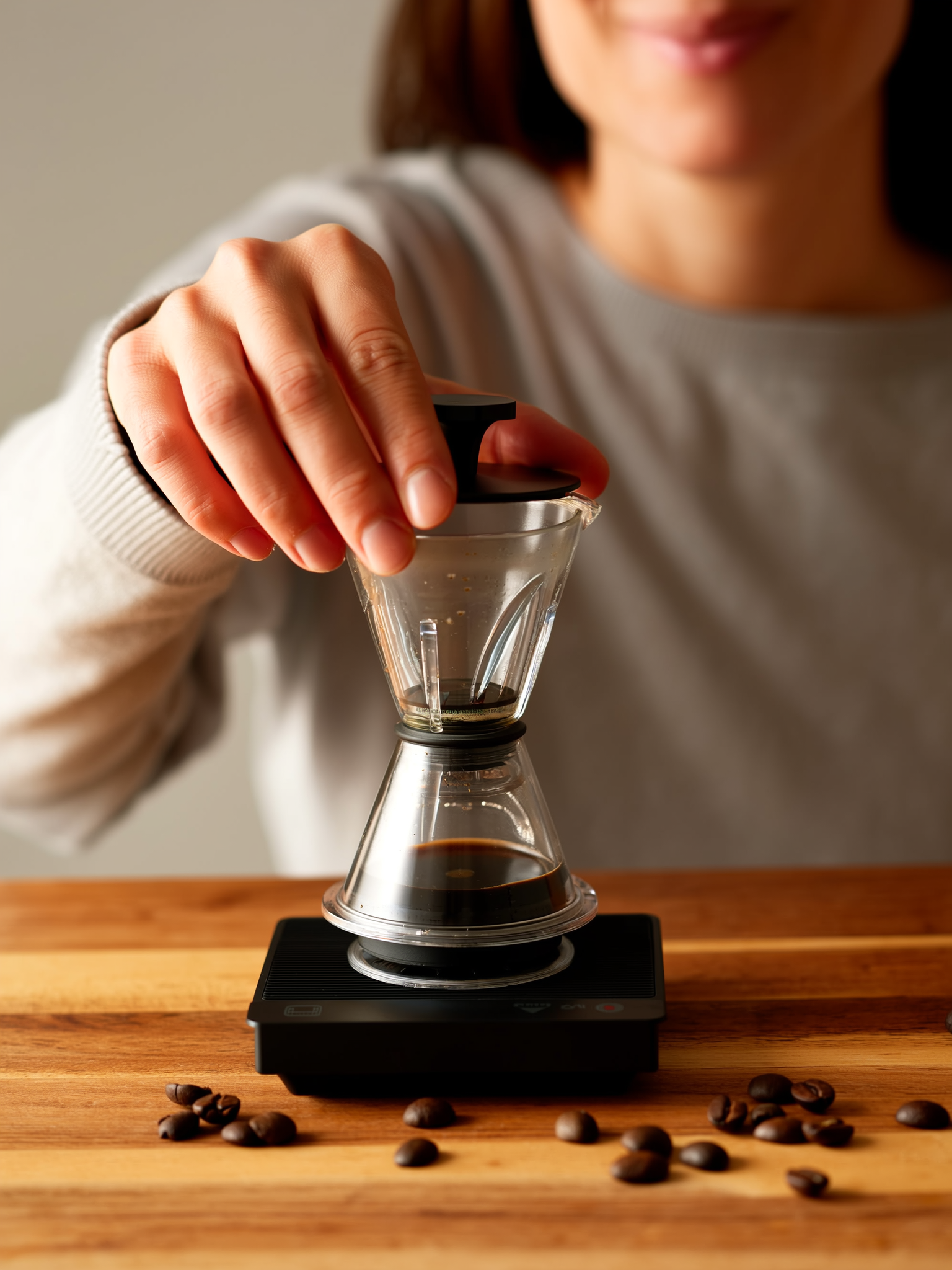
If you’ve ever watched someone confidently flip a fully loaded AeroPress upside-down over a cup of hot coffee and thought, “that looks either brilliant or catastrophic” — you’re already at the heart of one of home brewing’s most debated techniques.
The inverted method has passionate advocates. It’s popular on Reddit, it dominates World AeroPress Championship competition recipes, and it shows up in nearly every serious home barista’s toolkit eventually. But is it actually better? Or is it just more theatrical?
The honest answer: it depends on what you’re optimizing for. This guide breaks down exactly how both methods work, what the real flavor and consistency differences are (backed by what the evidence actually supports — not blog hype), and how to figure out which approach fits your morning routine.
How the Standard AeroPress Brewing Method Works
The standard method is how the AeroPress was originally designed to be used. You place it upright on your mug, add coffee, pour hot water, stir briefly, then press the plunger down.
A basic standard method recipe looks like this:
- Grind: Medium-fine (similar to table salt)
- Coffee: 17g
- Water temperature: 80–96°C (175–205°F) — lower temps work well for light roasts, higher for dark
- Water: 220–250ml
- Steep time: 1–2 minutes before pressing
- Press duration: 20–30 seconds of steady, even pressure
The mechanics here are largely percolation: water moves through the coffee grounds and out through the filter under pressure. The issue is that some water begins dripping through the filter from the moment you pour — before your steep time even starts. That means you have slightly less control over total immersion time than you might think.
Common mistakes with standard brewing:
- Pouring too fast and disrupting the grounds
- Pressing too hard or too quickly, which causes channeling (water forcing through one path rather than evenly through all the grounds)
- Skipping the pre-steep or “bloom” phase — skipping 30 seconds of initial saturation leads to uneven extraction
- Grinding too coarse, which compounds the early drip-through problem
For most people starting out, the standard method produces excellent coffee reliably. But once you start trying to dial in a specific recipe consistently, that uncontrolled drip-through becomes a real variable to manage.
The Inverted AeroPress Technique: A Complete Step-by-Step Routine
The inverted method solves the drip-through problem by flipping the AeroPress upside-down — plunger side down, cap side up — before you add any water. This way, the plunger acts as a seal at the bottom, so no liquid escapes during steeping.
Here’s a reliable inverted routine:
- Set up: Pull the plunger out to just past the “4” mark. Flip the AeroPress so the plunger is at the bottom, resting on a stable surface (a folded towel or non-slip mat helps).
- Add coffee: 17g of medium-fine grind directly into the chamber.
- Bloom: Pour 40–50ml of hot water (93°C / 200°F is a good starting point) to saturate the grounds. Wait 30 seconds. This releases trapped CO₂ and improves even extraction.
- Add remaining water: Pour the rest of your water (up to 220–250ml total) in a slow, steady spiral.
- Stir: 5–10 gentle stirs. Don’t over-agitate.
- Steep: Place the cap and filter on top (pre-wetted filter in the cap). Let it steep for 1 minute to 1 minute 30 seconds.
- The flip: Place your mug upside-down on top of the cap, grip both firmly with both hands, and flip in one smooth motion. Work over a surface — not mid-air — and keep your grip tight.
- Press: Apply slow, steady pressure for 20–30 seconds. Stop when you hear a slight hiss.
The key difference from the standard method is step 6: full immersion with no drip-through. Every second of steep time is controlled and predictable. According to specialty coffee educators, this is what makes the inverted method attractive to people trying to replicate a recipe exactly — you’re eliminating one variable (uncontrolled early extraction) from the equation.
Flavor Differences: Does Inverted AeroPress Really Taste Better?
Here’s where you need to be careful about what the evidence actually supports.
The popular claim you’ll see in a lot of coffee content is that inverted brewing produces a “fuller body” or “richer” cup. This claim is repeated widely, but there’s no peer-reviewed scientific study that directly compares the sensory profiles of inverted vs. standard AeroPress brewing. What the research does show (from a 2023 study in the journal Molecules) is that AeroPress brewing in general produces consistently strong extraction values — reliably landing in the “ideal” range. But this covered the AeroPress as a whole, not one method against the other.
What specialty coffee educators broadly agree on:
- Inverted offers slightly more consistent results because you’re controlling steep time more precisely
- Standard with a longer pre-steep can achieve similar extraction outcomes when done carefully
- The flavor difference between the two methods is minimal for most palates — the grind size, water temperature, coffee freshness, and bean quality matter far more
Think of it this way: the inverted method reduces one variable, but it doesn’t override all the others. A medium-fine grind on fresh, quality beans will outperform a sloppy inverted recipe every time.
From a practical standpoint, lighter roasts tend to benefit more from inverted brewing, because they typically need a slightly longer steep time and more controlled extraction to develop complexity without sharpness. With darker roasts, the difference is even harder to detect.
Practical Considerations: Time, Cleanup, and Consistency
Total brew time is roughly the same for both methods — around 2 to 3 minutes from start to press. The inverted method adds a few extra seconds for setup (positioning the chamber while it’s upside-down) and the flip itself.
Cleanup is identical. Both methods use the same paper or metal filter, and you eject the puck the same way.
Where the methods diverge practically:
- Risk: The flip is the obvious weak point. Hot coffee, an inverted device, and a slightly loose grip is a bad combination. Specialty coffee educators and the AeroPress manufacturer both acknowledge this risk — and also note that millions of people do this flip successfully every single morning. The key is keeping both hands on the device and working over a stable surface.
- Seal wear: Repeated inversion puts more pressure on the rubber plunger seal over time, though this is a long-term consideration rather than something you’ll notice immediately.
- Beginner learning curve: Standard wins here. The inverted method adds one slightly stressful step that beginners sometimes rush — and rushing the flip is how you end up with coffee on your counter.
If you’re new to AeroPress AeroPress Original Coffee Maker, starting with the standard method for a few weeks is a reasonable approach. Once you’re comfortable with the fundamentals (grind, water temp, timing), the inverted technique becomes a more precise tool without the frustration of learning everything at once.
When to Use Each Method
Inverted works best when:
- You’re dialing in a specific recipe and want repeatability
- You’re using light or medium roast beans that benefit from precise steep time
- You’re experimenting with longer steeps (1:30 or beyond)
- You want to replicate competition-style recipes — most World AeroPress Championship winners use the inverted method, which reflects a preference for control rather than a verdict on objective taste quality
Standard method still wins when:
- You’re brewing half-awake at 6 AM and don’t want to manage a hot liquid flip
- You’re brewing for someone else in a cramped kitchen
- You’re introducing a new coffee drinker to AeroPress brewing (simpler workflow = fewer variables to explain)
- You’ve dialed in a great standard recipe and you’re happy with it
The honest stance: neither method is universally better. The inverted approach gives you one more lever of control. Whether that lever matters to you depends on how much you care about dialing in a specific result versus simply making a great cup of coffee quickly.
Building Your Personal AeroPress Routine
Here’s the practical path forward:
- Master the standard method first if you’re new to AeroPress. Get comfortable with grind size, temperature, and timing before adding the flip.
- Try inverted with a fixed recipe — same coffee, same grind, same water, just switching the method. Make both cups back to back if possible. That direct comparison will tell you more than any article can.
- Adjust one variable at a time. If you switch to inverted and don’t like the result, don’t change five things at once. Change grind size first, then steep time, then water temperature.
- Keep a brewing log — even a simple note on your phone with grind setting, temp, and steep time. Repeatability is only useful if you can remember what you did.
The AeroPress is one of the most forgiving and versatile brewers you can own. Both methods can produce genuinely excellent coffee. The inverted technique isn’t magic — it’s just better control over one specific variable. Whether that matters in your morning routine is entirely up to you.
Interested in exploring other brewing methods? Check out our guides on the French press vs. pour-over comparison, how to dial in your grind size for different brew methods, and cold brew routines for summer.
Sources
- The Inverted AeroPress Method: A Guide – Perfect Daily Grind
- AeroPress Inverted Brew Method – CoffeeGeek
- The Aeropress: Inverted vs Regular Methods – with words, wonder
- Inverted Aeropress method vs standard for workflow efficiency – Papel Espresso
- How To Brew Aeropress Using the Inverted Method – The Tasty Bite
- AeroPress Brewing Guide: Standard and Inverted Methods | JayArr Coffee